Preventing childhood emotional abuse: Prioritising action
Sensitive content warning
This webinar discusses child maltreatment and emotional abuse. Please take care while listening and if you are feeling discomfort and think you would benefit from some support, please call Kids Helpline on 1800 55 1800 or Lifeline on 13 11 14. You can also reach out to Blue Knot Helpline and Redress Support Service on 1300 657 380.
If you believe a child is in immediate danger, call Police on 000.

About this webinar
This webinar was held on Wednesday, 10 September 2025.
National Child Protection Week (NCPW) is a big week for the sector and we’re very proud to be partnering with the National Association for Prevention of Child Abuse and Neglect (NAPCAN) for another important webinar.
This year we’ll be picking up the conversation from the NCPW webinar from 2023 on childhood emotional abuse.
The theme for NCPW 2025 is Shifting Conversations to Action. In line with this theme, our expert panel will be focussing on practical ways we as a sector can improve our response to this harmful form of child maltreatment – particularly through parental support.
According to the Australian Child Maltreatment Study (ACMS), approximately 35% of young people aged 16–24 have experienced emotional abuse. Findings from the ACMS also suggest the prevalence of this form of abuse is increasing with higher rates among younger cohorts (16–24 years) than among older cohorts (25–44 years and 45 years and older).
Emotional abuse contributes to a range of social, physical and psychological issues. However, despite its high prevalence and associated poor outcomes, emotional abuse remains poorly understood across much of the child and family sector.
This webinar will explore some of the risk factors of childhood emotional abuse, including parental stress and burnout, and discuss how to recognise, respond to and prevent this form of maltreatment – with a focus on empathising with the parents you work with and understanding why they might be engaging with their children in this way.
This webinar will give you:
- insight into the nature and impact of emotional abuse
- ways to identify risks and protective factors associated with emotional abuse within the family context
- insight into how to prevent emotional abuse – with a particular focus on parental support
- tactics for how to start conversations about emotional abuse with parents and children.
This webinar was produced by AIFS’ Child Family Community Australia information exchange (CFCA). CFCA information exchange provides high quality, evidence-based information, resources and interactive support for professionals in the child, family and community welfare sector. The work of CFCA is made possible by the generous funding of the Department of Social Services.
Audio transcript (edited)
GREG ANTCLIFF: Hello and welcome to today's child protection week webinar, proudly hosted by AIFS in collaboration with NAPCAN. My name is Greg Antcliff, and I would like to begin by acknowledging the Traditional Owners of the we Land are meeting on today. I am joining you from the beautiful lands of the Larrakia people in Darwin, and I pay my respects to their Elders past, present, and emerging. I also extend that respect to all Aboriginal and Torres Strait Islander peoples participating in today's webinar.
For those who have attended the last couple of AIFS webinars, there has been some technical glitches with the broadcast video. The team has been working with the GoToWebinar people to resolve the issue, so if the video stops at any point, please bear with us and we will get it working again and we apologise if there is an inconvenience.
Before we begin, a few housekeeping notes, the session is being live captioned and if you require captions, please follow the link in the chat. And we will have a Q&A session at the end, and there will be a selection of questions people have submitted and any put in the chat as well, and we are going to record an extended Q&A session after the webinar which will be available for everyone in two weeks.
It will be on both the NAPCAN website and the AIFS website, and any related readings and resources referenced are available in the handouts tab. A short feedback will open at the end of the webinar, so your feedback is really appreciated. This is a big topic, and we won't be able to cover everything in this session.
I would also like to acknowledge that today's discussion does include child maltreatment and emotional abuse, which may be distressing, so please take care of yourselves and use the support resources are available in the chat.
I also want to acknowledge those with lived experience of abuse and honour your strength and resilience and recognise the enduring impacts these experiences can have.
National Child Protection Week is an important time for our sector. This year the theme is 'Every Conversation Matters: Shifting Conversations to Action.' Today we are building on a webinar from 2023, and taking the next step from awareness to action. This Australian Child Maltreatment Study shows around 35% of young people aged 16-24 report experiencing emotional abuse. These rates are higher among younger cohorts, highlighting that emotional abuse is not only common, but growing. Despite its prevalence and serious impacts, emotional abuse remains poorly understood, under-recognised, and often minimised.
Our focus today is how we come as a sector, can do better, particularly by understanding the pressures parents face and supporting them in ways to prevent emotional abuse before it occurs.
We are joined by three outstanding speakers today, Professor Ben Mathews from the School of Law, Queensland University of Technology. Sophie Havighurst, clinical psychologist and leader of kids at the Mindful Centre For Training and Research and developmental health, the University of Melbourne, and Emma Carmody, senior design specialist at the Parenting Research Centre of NSW.
Ben, I would like to start with you, emotional abuse is often described as one of the most hidden and misunderstood forms of maltreatment. From your perspective, how can we best define emotional abuse in the way that captures its seriousness, and helps both professionals and public recognise it?
BEN MATHEWS: Good afternoon everyone, it is great to be with you all and a pleasure to be contributing to this important conversation today. I would like to acknowledge that I'm coming to you all from the lands of the Turrbal and Jagera people.
I'll mention that Erin will present some slides for me, so thank you in advance, and if you can go to the first one, I have a couple of slides that I will refer to a couple of points to help frame today's situation.
Greg has just asked me the first leading question for us to discuss today, about how to define emotional abuse. Is the first slide up? Or the second one? Hopefully everyone can see that one.
It is worth taking a moment to get a clear, common understanding of what we mean when we are talking about childhood emotional abuse, often also called psychological abuse, so I will mention a couple of points about this concept and about how we measured it in the Australian Child Maltreatment Study, just so we are all proceeding from the same position.
Other people have given a lot of attention to how we should define the concept of emotional abuse for decades, and there has been a consensus that has occurred over time, most recently by UNICEF.
What we are talking about here is parental behaviour that is repeated over time, towards the child, that conveys to them that they are worthless or unloved, or unwanted, or only have a value of meeting another person's needs. That is the concept of emotional abuse we are talking about, and how that is translated in actual lived experience or through examples in day-to-day life, can be through a number of different kinds of operational examples.
Just so you know, we asked about three dimensions of emotional abuse and these are probably the three most common types of emotional abuse. The first one was verbal hostility, and that is things like being insulted or humiliated or called hurtful names.
The second one is rejection, where a parent tells the child that they hate them or don't love them, or wish they were dead, or had never been born. That still gives me chills, reading that one out, you can start to see that these types of emotional abuse, they are not trivial things, and this helps to explain why emotional abuse can be so harmful.
The third type of emotional abuse we asked about is where a parent consistently ignores the child or does not show them any love or affection. We call that denying emotional responsiveness.
There are other types like restricting their actions, corrupting them in criminal behaviour and terrorisation, exposing them to life-threatening acts or serious threats of violence against them. But those were the three key dimensions of emotional abuse we measured. Just so you know, we only counted a person's experience is emotional abuse if it happened over a period of weeks, months or years, and in most cases it happens over years.
Hopefully that gives a bit of background about how we define emotional abuse, not just in Australia but also internationally.
GREG ANTCLIFF: Thank you, I think the Australian Child Maltreatment Study provides powerful new insights into the issue but what do you see is the most important findings, particularly around prevalence, gender and generational patterns, and how should they shape our prevention and response strategies?
BEN MATHEWS: These are big questions, and I am in a very fortunate and privileged position to be able to report our data. And I know for many of you, you will have encountered some of this before, but there is new information on this slide, even for people who may be quite familiar with the ACMS.
We were pillaged to find for the first time the true prevalence of emotional abuse in Australia and what I am focusing on here is what is the contemporary prevalence. Everyone might be familiar that we surveyed people aged 16 and over in Australia, right through up to age 65+, but what I am showing here on this slide is the contemporary prevalence, and we have drawn this prevalence from the people aged 16-24 in the ACMS, and there were 3500 of them. And we found 34.6% of young people in Australia at the moment have experienced childhood emotional abuse, that is one in three.
We also found it is a gendered phenomenon. Girls are more likely than boys to experience emotional abuse, about 1.5 times as likely, say 2 out of 5 girls have experienced it again over a period of weeks, but 1 out of 4 boys have as well.
In terms of generational trends, very briefly, in a nutshell, we have found that some types of emotional abuse have become more common over time in Australia as well. So when we compare 16-24-year-olds with older Australians aged 25-44 and 45+, we can see the prevalence of emotional abuse are different periods of time in Australian society.
And what we found is two types of emotional abuse have become more common in recent decades. Hostility and denigration, that verbal abuse has become more common, and rejection has also become more common. That indicates there is some stressors happening in Australia at the moment that are attributing to strain in parents, that is further creating a likelihood of emotional abuse.
I want to draw attention to a few key points about the implications of the prevalence of gender and generational trends for shaping prevention and response. A few points to focus on, and that I think we have one more question.
I think the really important point to note here is that we do need a nuanced approach and what is important to note is that emotional abuse does generally have, at the population level, very significant outcomes for mental disorders and for high risk behaviours. It is very important.
However, there is a spectrum of experiences. Some individuals who experience emotional abuse may have little to no adverse outcomes. And that is to do with a whole range of factors. It is to do with what type of emotional abuse they experienced, how often they experienced it, how old were they, did they experience other maltreatment as well? And importantly, what type of protective factors were around them that might have buffered them from the harms that might otherwise have occurred?
Some kids might not have experienced many harms from their experience, but equally, at the other end of the spectrum, some kids will experience emotional abuse and will experience very significant harms and multiple harms. And that is also to do with the characteristics of their experience and perhaps the lack of those protective factors.
And the key pathway for these outcomes is that emotional abuse has huge potential to compromise attachment to parents. And that compromised attachment leads to impaired self-worth, internalisation of the negative attributions that come from the parent, and ultimately to feelings of being unsafe and insecure in the world.
At the population level, we found in our study, emotional abuse is widespread, it is gendered and it is harmful and in fact, emotional abuse is as or more harmful as sexual abuse. And that is a real bombshell finding. But it is a very important finding.
We have found for example, even adjusting for a whole range of confounders including the experience of other maltreatment, emotional abuse was the likelihood of a range of mental disorders, including anxiety and depression, and risk behaviours such as self-harm and suicidal tendencies.
We can see from this large, robust study that emotional abuse is a very damaging phenomenon at the population level, not for every child, but for many. And what is also important, in terms of implications for shaping prevention response, is that outcomes of emotional abuse commence early, they don't remain dormant and crystallise later in life, they commence in childhood and adolescence and persist through life and make rate a cascade of other difficulties too, for example at school, so I hope that gives some kind of indication of major implications for prevention and response.
GREG ANTCLIFF: Thanks very much. You just outlined the profound impact that this has across a lifetime. From your perspective, what are the key implications for these findings for policy, practice and also community awareness?
BEN MATHEWS: Great question. It's a big question, and it's one that we have thought very very hard about, both myself and as a team. It's one that we have spoken about a lot with government agencies, as well, especially in some jurisdictions.
Pleasingly, some jurisdictions have started to make some key changes. Erin, if you could just go to the next slide, there is just a couple of talking points there that will frame this last bit of conversation.
Folks, I like to think of the term "paradigm change" here. This has really shined the light on the significance of this type of maltreatment. In the past we paid a lot of attention, and rightly so, to things like... Emotional abuse, we now know, is widespread and is very very harmful, and as or more harmful as other types at the population level.
There are serious implications for prevention at different levels on a public health model. In terms of primary prevention, we need to lift community and parental awareness about the nature and importance of positive interactions, and the importance of parental love and warmth, and demonstrated warmth.
That is a key protective or buffering factor. We also need to build knowledge about the nature and harmfulness of negative interactions, and then we need to build… The key point for doing that is in pre-and postnatal periods, but also key developmental stages.
And there are huge implications for prevention at a secondary level, for example through trauma informed work with high-risk parents and families, and through boosting protective factors at individual family and community levels, including through schools.
There are some key parental risk factors that that type of secondary prevention can really pay attention to, and including addressing the parent's own trauma, and perhaps mental health problems, and other risk factors. Including, say, social determinants and economic strain.
Obviously these findings have huge applications for how we deal with children and youth, and in particular, who have experienced emotional abuse. Some things that I think we can really work on as a nation are boosting workforce development and continuing professional education about best practice in this domain. Again, about boosting protective factors at community and family levels.
And critically, everyone on this webinar today, I am sure, would agree with this! We need more investment from governments, in terms of staffing and service support needs, and resourcing accessibility. Everyone here does an absolutely fantastic job, but we… The fact is that we have a huge level of unmet clinical need in the community here, and our current workforce, as fantastic as it is, we simply need more of them.
There are, finally, folks, obviously indications for policy and practice, including in the child protection systems. Not only in them, also in health and education.
And I think the Australian government really needs to take a lead here in working with states and territories, given the government's deep pockets and capacities to drive national strategies in these types of domains.
Just a few ideas from me, there, that hopefully resonate with today's audience. Thanks, Greg.
GREG ANTCLIFF: Thanks very much, Ben. I think that underscores why we need to ship conversations to action, by better defining and recognising emotional abuse, can shine a light on hidden impacts, and work together to create safe and very community so that every child has a chance to thrive.
Sophie, I would like to turn to you now. Your work focuses on child development and parenting, and from your perspective, why do parents sometimes end up engaging in emotionally abusive verbally harsh behaviours, especially when they are experiencing stress or burnout?
SOPHIE HAVINGHURST: Thank you Greg, it's lovely to be joining you today. I'm joining from Dja Dja Wurrung Lands just outside of Melbourne, so thank you very much for having me here.
My experience in the Tuning into Kids parenting program, trying to understand why parents get to this point is really important if we can help. The key is that intergenerational patterns of parenting, what we learn from our own parents tends to flow on to automatic reactions, especially when we are under stress in that parenting role.
And when emotions get high, and we are stressed, we are overwhelmed, we are dealing with financial stress, we are dealing with relationship difficulties, all these different challenges around us.
Those are times and people pop. And there isn't the resource to parent, often, in ideal ways. And that is when people often resort to automatic reactions, which come from those intergenerational patterns.
And they are often where we engage in abusive, verbal, physical abuse. But also things like what Ben is describing. And it's really interesting, that really sobering data about the increase in emotional abuse.
Because people, I think, are experiencing heightened levels of stress. And we know that especially parental burnout is a time when people often tip over the edge. Somewhere about 5% of parents will experience a burnout where they are overwhelmed by parenting demands, no longer able to connect with their children, and those experiences mean that they will often resort to automatic reactions and patterns at those times.
And that's really important, because it's that level of stress that actually tips people over the edge. There are some ideas that, if your stress is too high and your resources are too low, that is when you are more likely to engage in abusive behaviour with your child.
Even though it may be just congruence how you actually want to parent.
GREG ANTCLIFF: For professionals working with families, what can we do to support parents in changing these behaviours? And how can we prevent or intervene early?
SOPHIE HAVINGHURST: Sure. I think one of the critical things is that, for many of us, looking at the statistics, many of us have experienced emotional abuse ourselves. Will often have a very strong moral compass that we don't want this to happen to kids.
Or, that makes us really want to try to intervene and may change. That's very important. That also brings a good empathy for working with parents and carers may be engaging in emotional abuse.
One of the key things is to connect with the people you work with. And that happens with empathising with where they are at, understanding where they are at. It doesn't mean agreeing with what they do. But the process of connecting is really critical.
Because when you can connect with people, you are more likely to hear the shame, guilt, the distress, the anger, and the powerlessness that they may have. And recognising that and holding that for them and with them, enables them then to make changes.
And some of the research looking at what changes intergenerational patterns of abusive behaviour, it tends to be that you need to have awareness of the impact of your family of origin on your parenting now. And two, you need skills in the moment to do something different.
So, we really build up parent's capacity to build a pause in the moment. As professionals helping, connecting and working with parents and carers to build in that pause in a moment of emotional intensity with their kids, so that they can slow down.
10 to 30 seconds of slow breathing, focusing on your senses, stepping out, having a drink of water. All those things are wonderful for pausing before you go to automatic, "agh!" Or the harshness or the hurtfullness that might happen at that those times.
And then we need to help parents and act with their kids better, because then you can help people see what is going on for their child, what is behind their behaviour?
And when parents can pause, they are more likely to do that, rather than resorting to that harsh or hurtful behaviour that then leads to shame and guilt, which gets in the way of actually connecting with their children.
So that point, that's a really important next step of actually helping them, the parent, to notice the child's feeling, to be able to empathise with their child. And to use touch or non-verbal communication if you can't speak. If you are overwhelmed, just stopping and sitting down with your child.
Just a gentle hand, or even just sitting quietly. Because that pause can also help with connection with a child at that moment. You want to respond with empathy, maybe tame the child's emotions. "It's hard to be left out, it can be hurtful, it's humiliating."
That process of slowing down and doing that is very very important. I can think of one mum who we were working with, one of our parenting groups, who had a very abusive background of her own.
She talked about this time when she saw her kid outside about to attack his brother over the head with a cricket bat. She raced out and normally would be in incredibly harsh, she had some pretty fiery language, she had been through the child protection system.
When she started to recognise that behind his behaviour was a fear... He was going to his dad, and he liked him, but he found it hard to transition between homes. He often got aggressive at that time, with his brother.
She needed to be able to connect. She wasn't very good at this, but all she could do was say, "It is hard when you are going off, isn't it? We will miss each other." We practice that.
Parents who can't do this automatically, often they are very simple and concrete skills for empathy, naming emotions, and connection. We need to guide them and how do you touch your child, how do you come close to them, if it hasn't been your own experience as well.
We also know that if we can help parents repair when they do things that are helpful, that's also very important. Correcting a child's behaviour, talking about consequences is better done when you are calm and your child is calm.
That reconnecting and saying, "I'm really sorry, I was really harsh on you before, that was horrible, I could see that you were really scared or hurt." That repair and taking that responsibility is important, but it's very hard for parents who are still consumed without shame and guilt.
That's why, as a professional, we need to be able to connect with them and be able to support them to be able to do that. And that means really helping parents with their own self-care too.
Look at how they can refuel, how can they do things that actually reduce their levels of stress and burnout. As Ben was raising before, lift that balance with the resources they need to reduce the stress levels in families, which often lead to these triggering and response.
GREG ANTCLIFF: Thank you, Sophie. What should we do as professionals, keeping in mind we want to generally engage parents, having them connect with support and change, rather than inadvertently pushing them away?
SOPHIE HAVINGHURST: It would be so hard when you have your own judgements and your own experiences of reacting to that. So, again I come back to, notice your own automatic reactions as a worker.
Do you get an immediate blame of the parent? Do you feel very angry with them? Do you feel very overwhelmed by them? Like you are having your reactions.
Pausing ourselves and not going straight to advice giving. Seeing, instead, if you can connect with the stress and difficulty a parent is going through. That's very important.
And acknowledging that, and giving them space to help will actually also help you when you are in that charged state. Empathising, it can be hard not to react when that has been our own family of origin. That peace is very important, for a professional to be able to do that and hear that.
One of the things that we have experienced is that people make changes and they are given the opportunities. We have seen it in many different spaces, that people can learn to empathise and connect with their kids.
As a worker, knowing that people can shift that if they are given the support, enough resources, and they are given parenting skills. They also have the experience of actually feeling heard. We have to hold the parent in order for them to respond differently to their child, and that is very important.
GREG ANTCLIFF: I think that's a very powerful reminder of how we talk to parents matters. Just as much is what we say. They can shift that trajectory for a child as well.
Emma, I would like to bring you in. You work closely with practitioners. What are some of the challenges that practitioners face in noticing and responding to emotional abuse in day-to-day work?
EMMA CARMODY: Thanks Greg, hello everyone, it's really lovely to be joining you today. I'm on Darkinjung land, in New South Wales. I would like to start off by acknowledging that practitioners don't miss emotional abuse because they are careless.
As Ben pointed out earlier, it's the realities of the practice and the systems that we work in. Emotional abuse is subtle and chronic and, as the ACMS highlights, it's co-occurring often with family violence, substance use, or mental health concerns.
That makes it really, really difficult for practitioners to untangle who needs support, and how. I think when you walk into a home, you are immediately scanning for safety.
It is a child safe? Is the parent safe? Is the environment safe? Am I safe? In those moments, visible harm is easier to justify and respond to, while emotional harm can fade into the background. Our systems also privilege what can be seen.
Documentation thresholds, legislation and procedures for emotional abuse are harder to apply in practice, and that makes it really tricky for practitioners to feel confident naming and responding to it.
GREG ANTCLIFF: When somebody notices emotional abuse, what are some practical ways they can respond in that moment?
EMMA CARMODY: What has been clear from the webinar and all the research coming through is that emotional abuse is not always obvious, and it is experienced on a continuum. I want to give an example. About 10 years ago or more, I remember it was the first time I really genuinely thought about emotional abuse being the prominent risk issue with the family I was working with.
I went out on a first home visit with a family, a mother who had a four-year-old girl and towards the end of the visit as I was leaving, I made a comment about a large Christmas present that was sitting quite prominently in the lounge room. It was March by this point, and I had a joke with mum as I was walking out that she was either late for Christmas or early, and as we laughed, she said, "It was a present to my daughter from Santa, she has been so naughty since that she has not been allowed it."
That stayed with me for a long time after that, the message to the young girl, her acceptance and belonging to the family depended on her behaviour. It was such a small interaction at the time, but it shall be the big impact of emotional abuse and how hidden it can be in everyday family life.
I guess, what helps when we notice it is the starting point is always a safety, both physical and emotional safety of the parents and the children. It is particularly when a family is expressing domestic or family violence or coercive control, and substance abuse may be present, and we have to use safety as a foundation for any connection or change.
I think the next piece of that is naming and noticing. We don't always need to come in as practitioners with these strong statements, sometimes we can use gentle observations that open reflection.
For example, "I noticed when your son spoke, he looked down, what do you think was going on for him?" Or, "Can you think of a time recently when you and your child got along really well? What helped?"
These kinds of observations recognise effort, they show empathy, and they highlight positive patterns in a way that reduces defensiveness and builds confidence.
I think also by using a coaching approach, rather than giving answers straight away, ask, what works well between you and your child? It helps parents join their own ideas and build more capability and when you see strengths, name them with parents. "You stayed really calm when things got heated, that is not always easy." That affirms the parent's capacity, and the ability to keep building on what is working.
GREG ANTCLIFF: Thank you for the powerful example that you shared with us, but given that it is emotional abuse is often invisible, and can practitioners make sure a child's voice is truly brought forward and heard or even amplified?
EMMA CARMODY: We heard the dire outcomes from Ben at the beginning of the webinar, and one of the most damaging impacts of emotional abuse is the eroding of a child's identity, trust and self-worth, and because it happens in the relationships that they depend on, it is rarely named, it is rarely disclosed, and often minimised.
Children don't always have the language for what they are experiencing, some normalise the fear and rejection, and others take their parents out of loyalty or shame, and I think the risk for us as practitioners or any professionals, is getting caught in these adult conversations. Risk assessment, when talking about parenting programs, what the current court orders are, and therefore we can miss what the child is really telling us, and not giving an opportunity to talk to us.
So to bring forward their voice, we need to ask about emotional safety, not just their everyday needs, we need to ask, "Do you feel heard, do you feel safe to make mistakes? What helps you feel brave? When do you feel calm at home?" And use tools like play and drawing, storytelling or scaled questions to elicit those answers.
I think above all, be a consistently validating adult for the time you are in their life, affirm any small disclosures they give. "It makes sense that you feel scared when voices get loud." Include their perspective in planning, and use simple questions like, "Who would you go to if you felt worried?" A child-centred approach means acting with the child, not just about the child.
GREG ANTCLIFF: I think those practical strategies really highlight those practitioner conversations matter, and with a child or parent or colleague, that can be the starting point for real positive change, so thank you for that.
I would now like to hear from all of our audience, thank you for everyone who has submitted questions prior to the event or through the Q&A function. I will be directing some of those as we go along.
The first was for Emma, about what kinds of training or professional development do you believe is most needed to strengthen practitioner confidence in responding to emotional abuse?
EMMA CARMODY: -Really good question that is relevant. I think what really makes a difference is training and support that will go beyond just defining emotional abuse, but showing practitioners and professionals how to respond in practice.
They really need to use clear language to notice and name it, and the confidence to respond relationally. That means building their strong knowledge base, drawing on the incredible research of Ben and his team, drawing on lived experience and practice wisdom and expertise that is in the sector and the field.
I think many organisations are good at documenting processes, like assessments or intake processes, or promoting high level approaches such as being trauma-informed or child-centred. But what practitioners often need more support with is the detail of practice, the how. How do they ask questions, how do they respond in that moment? What behaviours do they use when they are working alongside of families?
We need to build skills, we need trauma-informed strategies, child participation tools, coaching approaches, practitioners, although they might hate it, they need opportunity to role-play those skills. Practising, using those words and naming those observations without judgement and building confidence to document what they see.
And I think professional development is something that we really need to look at across this sector. It has to be embedded into our work. It is not just about one-off workshops, we need meaningful learning and development plans, structured supervision, opportunities for peer learning and ongoing coaching.
GREG ANTCLIFF: I love that, the show me, support me and don't tell me how to do it, that is fantastic!
The next question is regarding emotional abuse, for Sophie. It exists on a continuum, and how can services then tailor their response to families at the lower end levels of concern, while still preventing escalation of more harmful behaviours?
SOPHIE HAVIGHURST: It is such a good point, because often we think this person will benefit from intervention and this person will not, and our experience has been it's often the people who think they are doing the worst who will be the ones who make the most shift or gain, so don't write people off if you think you know who will not benefit.
Groups are a lovely way to help people learn new parenting skills, and people learn from watching and hearing someone else's story about their own intergenerational experiences, that gives them lovely reflections on their own experience and then what they are doing with their own child.
In that lovely way of hearing from others and learning and a sense of where you don't have the high level of shame and you have more of that experience, we all struggle with parenting, so groups are great.
For the families are really struggling, augment that with additional one-to-one work with you looking at their experience, especially across the generation of their own parenting histories and work on skill building with them, but also the impact of their own histories and current trauma and stresses on the here and now and how they are coping.
This is also about resourcing, it is hard to make a parenting intervention work to help people learn new skills to respond differently to their child. If they are so stressed that their mental health is overwhelming, that they don't feel safe, so we also have to work with Maslow's hierarchy of needs around making sure the resources are there to provide that solid foundation.
That is really on balance, and that gives you some idea that the higher need will need much more of those resources, which many of the workers here today well know.
GREG ANTCLIFF: Thank you for that. Greg, this is one for you. How can we better integrate emotional abuse into child protection frameworks that often prioritise sexual abuse or physical abuse?
BEN MATHEWS: First I want to endorse everything that Sophie and Emma have said today, I really enjoyed listening to their insights, and I have learned a lot from that.
I think the first point I would say about integrating emotional abuse better into child protection is, for each state and territory at the higher policy level, if they have not already, to reappraise and continually reappraise the extent to which they have adequately considered emotional or psychological abuse in their broad policy frameworks and in their procedures, in their processes, in their data systems even. And critically, in their workforce training.
That is not an easy feat, and it is an ongoing challenge, but it certainly is something that they and their families and communities and kids that they serve will benefit from massively in the short, medium and long-term.
Then obviously, at the next level of individual casework, obviously caseworkers and affiliated support staff in different sectors need to be aware of the possibility of emotional abuse, even when it isn't obvious or immediately apparent as the primary maltreatment type that might be involved.
Because of the cooccurrence of emotional abuse, and the difficulty is that it won't always be immediately apparent. But that is where the individual skill and preparedness of caseworkers to deal with it comes into play.
And that is where that skill development that Sophie was talking about, and Emma is talking about. Caseworkers needing the detail of the "how" becomes so important.
Then the final level is when emotional abuse is found in individual cases, as relevant, remembering there is a continuum of emotional abuse, that spectrum of severity and chronicity and harmful outcomes, depending on other risk and protective factors, but as a appropriate, they need to be the tops of services and strategies put in place to support parents and families to reduce what is happening, and therefore to also boost those protective factors that might also attenuate this risk of continuing emotional abuse.
Certainly, it is a challenge for child protection specialists in that state and territory level, but there will be enormous dividends gained, no doubt about that.
GREG ANTCLIFF: Thanks very much. I want to thank everybody who has submitted the questions, they've shown how important is that we shift into action, and the types of real-world issues we have to navigate in responding to emotional abuse.
We will be answering more of the questions and post webinar session that we will stay on after this webinar, and we will make this available when the recording is available.
As we come towards the end of our session, I would like to ask each one of our panellists - and we've got time, so you can take your time with this final question. From your perspective, what is next in research? That is mainly for Ben, or whoever else wants to have a crack at that. And what else needs to happen in policy and practice if we are truly serious about preventing emotional abuse of children?
Ben, do you want to lead with the research?
BEN MATHEWS: Sure! Thanks, Greg. One thing that we have tried to do as the ACMS team is try to answer the questions with almost urgent and important, not just for scientific advances, but for policymakers, for practitioners, and most importantly for kids.
And that is why we measure prevalence, and we measured different outcomes of different types of maltreatment. One of the things we were able to show is just how important and harmful emotional abuse is at the population level.
One of the things that we are now working on is to generate an even more nuanced, granular picture of what, if any, specific types of emotional abuse are then most harmful.
Now, it's possible that the 3 types we measured are similarly harmful. But equally, it's possible that one or more of them might be even more harmful. And if that is the case, then that might give us even more information to guide our targeted prevention and response efforts.
So we are doing an analysis right now to assess the different outcomes, or whether there are different outcomes, to do with verbal hostility, rejection, and emotional unavailability.
We are also looking at the impact of whether it was mum or dad or both parents inflicting that. We are also looking at the impact of the duration over which the emotional abuse happened.
So we are... Obviously all of these analyses take a lot of time and care, but we are hoping to get that out as soon as we can, and will make that available on our website as soon as possible.
GREG ANTCLIFF: I think everybody is going to be waiting with baited breath to get their hands on that, to see what that that means our practice moving forward. That's really exciting. We got a lot to learn, and we really look forward to the release of that research.
I'm going to shift to Sophie, for your chance to answer that question now, about what needs to change in policy and practice, or research as well?
SOPHIE HAVINGHURST: Well, I'm struck by the fact that many people who come to parenting, getting parenting help, often are not aware of the impact of emotional abuse of their children.
One of the things that Ben raised was this need to really increase the visibility and the awareness. We've got an increase in emotional abuse, perhaps because of increased pressures on parents, perhaps because we have seen some reductions in physical or sexual abuse. Who knows what the reasons are.
But with this increase, we have to improve awareness. One of the things I just wanted to tell you a little bit about some exciting early news about a new charity called Words Matter.
Words Matter is on a mission to end verbal abuse of children by adults, and it is through research awareness, and collaboration efforts, so that we know more about the prevalence and immediate lifelong harm of verbal abuse on children.
This Words Matter campaign is really about shining that light on this overlooked awareness of the harms, in particular with verbal abuse, and really wanted to call on all Australians to create a culture where every child is spoken to the respect, care and dignity.
I am a member of the Words Matter global board, which was first started in the UK. We are going to be launching an Australian chapter in early 2026.
We will be working really solely on preventing verbal abuse of children by adults, and our work will really add to the momentum throughout Australia on applying contemporary and evidence-based methods to preventing and reducing harms to children.
If you are interested in collaborating, please reach out to either myself or Jen Hiatt, who has been leading this in Australia. A flyer is part of your information pack in the webinar resources.
This is one way of increasing that visibility. This is part of building awareness, and part of what this whole seminar is about as well.
GREG ANTCLIFF: That's super exciting to hear, that that campaign is going to be going ahead, and we will have a chapter set up in Australia. I'm sure you're going to be inundated after this around that!
Emma, your reflections around what needs to change, research on the policy and practice?
EMMA CARMODY: Sophie, your campaign sounds so incredible! I can't wait to be a part of it.
I guess… Look, if we are serious about preventing emotional abuse, and we've got the likes of Ben and his team that are covering research. If I come at it from a practitioner perspective, we need to give practitioners permission to hold the complexity and the confidence to respond.
I think that means having the right supports around them, as I sort of mentioned before in the question around training and ongoing development. Ongoing learning to build knowledge and language within our workforce.
Structured supervision, reflection. We need to reflect on our work, so that we can grow. And we need safe spaces to sit with uncertainty, without the fear of getting it wrong.
As I say this, I just want to be very clear that practitioners can't do this alone. It's not all on them. In fact, they aren't the majority of the holding of this burden.
Systems have to have their back. It's not enough to have policies, procedures, and even legislation that focuses on only what we can see. We need guidance that makes emotional abuse visible, and gives the workers that mandate to be able to respond.
And that guidance needs to be shaped by the lived experience. It needs to be grounded in practice expertise, and strengthened by the research. So it actually works in real service delivery.
And finally, I think we haven't touched on it much during this webinar, but we need prevention and responses that must be culturally responsive. We need to understand how emotional abuse is experienced and defined across different cultures, to ensure that our responses, our support systems, our sector is responding in a safe and effective way for all families.
So, I think, for me, the next step is clear in terms of, the research must continue to inform practice. But it's the translation into training, tools and service design that will really shift outcomes for children and their families.
GREG ANTCLIFF: Thanks very much, Emma. I think it's been really clear around what we need to do for professional development, which really mirrors what we need to do in skill acquisition for families as well. So thank you.
I would like to thank all of our panellists for their insights, and it just reinforces that every conversation, every action, every policy decision makes a difference for children and young people.
Thank you, Ben, Sophie and Emma for sharing your expertise and insights with us today. We have heard that emotional abuse is highly prevalent, deeply harmful, and preventable, and that parents under stress and empathy and support rather than judgement, and that children's voices be heard even when the harm is invisible.
A few quick notes before we close. Subscribe to our newsletter and you will be notified when the recording is available. Also, complete the feedback survey at the end of the webinar, because your input helps shape what happens into the future.
On behalf of AIFS and NAPCAN, thank you again to our brilliant speakers, and to all of the work that you do to support children and families. Let's keep shifting the conversation into action.
Thanks very much.
GREG ANTCLIFF: Welcome back, everyone to our extended Q&A session. Thank you for all of those people who submitted questions through the chat. We've summarized some of them, and we're going to attempt to answer at least three of those in this session. The first question is going to go to Emma. How do you respond to parents who may not see their behaviour as being harmful to children and young people?
EMMA CARMODY: Thanks, Greg. That's I think, it's a really good and important question, because we often are working with parents that don't recognize emotional abuse. They also are like the children that they don't have the language of that. And I think it's important to recognize that. It's that it's not that they don't care about their child, but because of the barriers that they carry. For some harsh words or shaming might just be normal discipline practices because that's how they were parented. For others, I think there's shame and fear around admitting the impact of their behaviour. It can feel like admitting failure. Or they could be fearful by, you know, acknowledging that they've been emotionally abusive, that they might risk intervention. And many parents, as Sophie pointed out, are already under a huge amount of stress, especially around violence, poverty or mental health. So, I think that ownership of being emotionally abusive could be really hard for them. So, in supporting them, I think a big part is how we frame that conversation.
Instead of using labels, I'll often describe what I see and invite reflection from that. So, I might say I noticed he went quiet when you called him lazy. What do you think was happening for him? So grounded in the behaviour and the child's experience rather than judgment. I think by doing that it keeps the focus on impact, not intention, because parents will often say, I didn't mean to hurt them. And we can respond with something like, I know you didn't mean to, but when children hear our words like that, they can feel ashamed or scared. That makes the harm visible for parents without labelling them as bad, which feeds into their own shame, and I think we need to balance that honesty with their strengths. As I mentioned earlier in in naming their strengths and ensuring that we really respect their pace. Change won't happen overnight. Parents will often push back. And in those moments, it's about ensuring that we keep the door open. We want to use. You know, I can see this feels hard to talk about.
Let's keep working together on what helps your child feel safe. So, I guess, in short, supporting parents through these barriers means we describe the behaviour instead of labelling it, focusing on, as I said, those child's experience affirming the strengths that the parents are doing. And let's always give parents alternatives of what they could say because they might not have that voice or those answers.
GREG ANTCLIFF: Fantastic. That's giving them new behaviour models to try different than the ones that they have. Sophie, we also had a few questions that came through of people wondering about parents who may lack emotional warmth. What would you have to say to that?
SOPHIE HAVIGHURST: Yeah. It is. It's a big part of working with parents and carers. When you become aware that their own, that they lack the ability to actually really connect with their child, to actually emotionally connect with their child, to feel what their child is going through? And there are a number of reasons for that. It can be, as I said, it hasn't been their experience. They have disconnected or shut down from emotions. And some people have more of an extreme case of this, like alexithymia, where they actually can't name or are not aware of their own or their child's emotions. There's also, obviously, if you have the experience of neurodiversity, where it may be harder for a parent to notice the signs or to empathically connect with the child and to respond in that kind of nurturing way in in certain circumstances where it might be that the parent has their own experience of trauma, so that the emotional and remembering and sort of past traumas are so loud in the space when emotions are high with their child that they are flooded by their own experience and they actually can't see or connect with their child.
We know that when you flip your lid, when you're overwhelmed by your own emotions, you can't connect with another person. And for many other reasons, that could be stress or burnout or mental health conditions, violence, fighting with a partner, all those things can be going on. So, but what we know is that I guess each of those are ways that we can work directly with a parent or carer to actually build up those skills. So, you know, in the case where there is a huge amount of difficulty identifying naming emotions, it can be just coming up with very basic. Okay, I wonder if you can name what you feel right now. Where do you feel that in your body. And helping a parent developing a very simple practice of stopping and noticing that. Naming a feeling. Where is it in my body or a parent that's very reactive to maybe be able to take three slow, big, deep breaths before they respond? Or as I said, a glass of water before they respond that pausing because they're then reducing their arousal to connect with their child.
For families where there's neurodiversity, it might be about learning the – ‘What do I see on my child's face?’ What are the expressions I see? What are typical signs my child has when they're distressed, angry, scared, jealous, excited, proud? What do I typically see? It might not be that they say, I'm feeling this. It might be that they just withdraw. So, knowing that those are almost like rules to follow where my child looks like this or their behaviour is like this, then I would do three things. I would notice that I would come in. I'd just sit with them quietly and might gently put my hand on them. I might say, look a little sad today, or I wonder what's happening for you. And giving parents more of a rule, or a kind of a steps to follow when it's not intuitively coming easily to connect is actually a very important part of building the skills. And we've found that that works really well with families where this doesn't come easily and naturally. And obviously if we're working with parents own mental health or their own stress and burnout, then we're going to have to work with that to reduce some of those stresses in order to be able to parent and connect with the child.
And those are all factors that we can't assume people will just naturally be able to pick this up. And they're all starting at the same point. So, addressing those things and tailoring the way we work, depending on the parents own emotional style, emotional needs, stress levels, current emotional awareness will be very important.
GREG ANTCLIFF: Thank you very much for that, Sophie. Ben, we started the presentation around definitions and prevalence, etc. There was quite a few people that really were interested in can people within the community be emotionally abusive to children such as coaches or dance teachers? And I just wanted your perspective on that.
BEN MATHEWS: Thanks, Greg. Thanks to the people who raised that question. It's a really important one and certainly there is unfortunately a certain level of undesirable behaviour by people like sports coaches and teachers and others who deal with kids in these types of institutional settings. And certainly this is something we want to have much less of. And we need to create a safe culture, in all settings where kids are and there are likely to be some of these settings and some sports, for example, that are particularly conducive to undesirable behaviour by coaches, where kids might be pressured, for example, to be a certain weight or to have certain levels of physical strength or performance. And this can be even more heightened at elite levels of performance. Now these types of say verbal harassment or insults, for example, or put downs, you know, calling kids useless or weak or, you know, fat or whatever. These are things that we don't want to happen. And in a kind of non-technical sense, yes, we can call these types of incidents abusive or verbally abusive.
Having said that, those situations are not technically, in the sense that we're talking about today, ‘emotional abuse’ in inverted commas. And there's a number of reasons for that. And that's not to say that those experiences in those settings can't be harmful because they can. And if kids do suffer harm, then we need to support them in those types of circumstances. But in terms of emotional abuse, in a technical sense, we're more talking about parental interactions. And that's partly because of the social science and the policy at national and international level being focused on emotional abuse between parents or primary parental caregivers and children. It's partly because of that, the importance of that parent child relationship and the attachment bond and the rupture of that attachment bond being so harmful for kids. It's also because of the daily exposure that that a child has to their parent, and the fact that it's very, very difficult for a child to escape that relationship and therefore emotional abuse that might happen there.
And it's also because of the systems that are involved here. So, for example, a child protection system has standing and capacity to intervene, provide services, etc. in cases of parent child interactions, but not in cases of, say, a sports coach. So, there's a whole range of reasons why when we talk about emotional abuse and its types or subtypes, we're talking about things that happen, interactions that happen between a parent and child that are characteristic of that parent child relationship, rather than things that might be done by other people in the community. Not to say that we don't want to do anything about those, but we're not counting those as emotional abuse in that technical sense that we spoke about here today.
GREG ANTCLIFF: Thanks very much. I think that's great to clarify that. Once again, I'd just like to thank the panel for these additional questions and just a reminder it is National Child Protection Week, and it's titled Shifting Conversations to Action. I hope everyone enjoys the rest of National Child Protection Week and really take something away to shift those conversations to action. So, thanks very much.
EXTENDED Q&A
GREG ANTCLIFF: Welcome back, everyone to our extended Q&A session. Thank you for all of those people who submitted questions through the chat. We've summarized some of them, and we're going to attempt to answer at least three of those in this session. The first question is going to go to Emma. How do you respond to parents who may not see their behaviour as being harmful to children and young people?
EMMA CARMODY: Thanks, Greg. That's I think, it's a really good and important question, because we often are working with parents that don't recognize emotional abuse. They also are like the children that they don't have the language of that. And I think it's important to recognize that. It's that it's not that they don't care about their child, but because of the barriers that they carry. For some harsh words or shaming might just be normal discipline practices because that's how they were parented. For others, I think there's shame and fear around admitting the impact of their behaviour. It can feel like admitting failure. Or they could be fearful by, you know, acknowledging that they've been emotionally abusive, that they might risk intervention. And many parents, as Sophie pointed out, are already under a huge amount of stress, especially around violence, poverty or mental health. So, I think that ownership of being emotionally abusive could be really hard for them. So, in supporting them, I think a big part is how we frame that conversation.
Instead of using labels, I'll often describe what I see and invite reflection from that. So, I might say I noticed he went quiet when you called him lazy. What do you think was happening for him? So grounded in the behaviour and the child's experience rather than judgment. I think by doing that it keeps the focus on impact, not intention, because parents will often say, I didn't mean to hurt them. And we can respond with something like, I know you didn't mean to, but when children hear our words like that, they can feel ashamed or scared. That makes the harm visible for parents without labelling them as bad, which feeds into their own shame, and I think we need to balance that honesty with their strengths. As I mentioned earlier in in naming their strengths and ensuring that we really respect their pace. Change won't happen overnight. Parents will often push back. And in those moments, it's about ensuring that we keep the door open. We want to use. You know, I can see this feels hard to talk about.
Let's keep working together on what helps your child feel safe. So, I guess, in short, supporting parents through these barriers means we describe the behaviour instead of labelling it, focusing on, as I said, those child's experience affirming the strengths that the parents are doing. And let's always give parents alternatives of what they could say because they might not have that voice or those answers.
GREG ANTCLIFF: Fantastic. That's giving them new behaviour models to try different than the ones that they have. Sophie, we also had a few questions that came through of people wondering about parents who may lack emotional warmth. What would you have to say to that?
SOPHIE HAVIGHURST: Yeah. It is. It's a big part of working with parents and carers. When you become aware that their own, that they lack the ability to actually really connect with their child, to actually emotionally connect with their child, to feel what their child is going through? And there are a number of reasons for that. It can be, as I said, it hasn't been their experience. They have disconnected or shut down from emotions. And some people have more of an extreme case of this, like alexithymia, where they actually can't name or are not aware of their own or their child's emotions. There's also, obviously, if you have the experience of neurodiversity, where it may be harder for a parent to notice the signs or to empathically connect with the child and to respond in that kind of nurturing way in in certain circumstances where it might be that the parent has their own experience of trauma, so that the emotional and remembering and sort of past traumas are so loud in the space when emotions are high with their child that they are flooded by their own experience and they actually can't see or connect with their child.
We know that when you flip your lid, when you're overwhelmed by your own emotions, you can't connect with another person. And for many other reasons, that could be stress or burnout or mental health conditions, violence, fighting with a partner, all those things can be going on. So, but what we know is that I guess each of those are ways that we can work directly with a parent or carer to actually build up those skills. So, you know, in the case where there is a huge amount of difficulty identifying naming emotions, it can be just coming up with very basic. Okay, I wonder if you can name what you feel right now. Where do you feel that in your body. And helping a parent developing a very simple practice of stopping and noticing that. Naming a feeling. Where is it in my body or a parent that's very reactive to maybe be able to take three slow, big, deep breaths before they respond? Or as I said, a glass of water before they respond that pausing because they're then reducing their arousal to connect with their child.
For families where there's neurodiversity, it might be about learning the – ‘What do I see on my child's face?’ What are the expressions I see? What are typical signs my child has when they're distressed, angry, scared, jealous, excited, proud? What do I typically see? It might not be that they say, I'm feeling this. It might be that they just withdraw. So, knowing that those are almost like rules to follow where my child looks like this or their behaviour is like this, then I would do three things. I would notice that I would come in. I'd just sit with them quietly and might gently put my hand on them. I might say, look a little sad today, or I wonder what's happening for you. And giving parents more of a rule, or a kind of a steps to follow when it's not intuitively coming easily to connect is actually a very important part of building the skills. And we've found that that works really well with families where this doesn't come easily and naturally. And obviously if we're working with parents own mental health or their own stress and burnout, then we're going to have to work with that to reduce some of those stresses in order to be able to parent and connect with the child.
And those are all factors that we can't assume people will just naturally be able to pick this up. And they're all starting at the same point. So, addressing those things and tailoring the way we work, depending on the parents own emotional style, emotional needs, stress levels, current emotional awareness will be very important.
GREG ANTCLIFF: Thank you very much for that, Sophie. Ben, we started the presentation around definitions and prevalence, etc. There was quite a few people that really were interested in can people within the community be emotionally abusive to children such as coaches or dance teachers? And I just wanted your perspective on that.
BEN MATHEWS: Thanks, Greg. Thanks to the people who raised that question. It's a really important one and certainly there is unfortunately a certain level of undesirable behaviour by people like sports coaches and teachers and others who deal with kids in these types of institutional settings. And certainly this is something we want to have much less of. And we need to create a safe culture, in all settings where kids are and there are likely to be some of these settings and some sports, for example, that are particularly conducive to undesirable behaviour by coaches, where kids might be pressured, for example, to be a certain weight or to have certain levels of physical strength or performance. And this can be even more heightened at elite levels of performance. Now these types of say verbal harassment or insults, for example, or put downs, you know, calling kids useless or weak or, you know, fat or whatever. These are things that we don't want to happen. And in a kind of non-technical sense, yes, we can call these types of incidents abusive or verbally abusive.
Having said that, those situations are not technically, in the sense that we're talking about today, ‘emotional abuse’ in inverted commas. And there's a number of reasons for that. And that's not to say that those experiences in those settings can't be harmful because they can. And if kids do suffer harm, then we need to support them in those types of circumstances. But in terms of emotional abuse, in a technical sense, we're more talking about parental interactions. And that's partly because of the social science and the policy at national and international level being focused on emotional abuse between parents or primary parental caregivers and children. It's partly because of that, the importance of that parent child relationship and the attachment bond and the rupture of that attachment bond being so harmful for kids. It's also because of the daily exposure that that a child has to their parent, and the fact that it's very, very difficult for a child to escape that relationship and therefore emotional abuse that might happen there.
And it's also because of the systems that are involved here. So, for example, a child protection system has standing and capacity to intervene, provide services, etc. in cases of parent child interactions, but not in cases of, say, a sports coach. So, there's a whole range of reasons why when we talk about emotional abuse and its types or subtypes, we're talking about things that happen, interactions that happen between a parent and child that are characteristic of that parent child relationship, rather than things that might be done by other people in the community. Not to say that we don't want to do anything about those, but we're not counting those as emotional abuse in that technical sense that we spoke about here today.
GREG ANTCLIFF: Thanks very much. I think that's great to clarify that. Once again, I'd just like to thank the panel for these additional questions and just a reminder it is National Child Protection Week, and it's titled Shifting Conversations to Action. I hope everyone enjoys the rest of National Child Protection Week and really take something away to shift those conversations to action. So, thanks very much.
Slide outline
1. The significance of childhood emotional abuse: Findings and implications of the Australian Child Maltreatment Study
Distinguished Professor Ben Mathews
School of Law, Queensland University of Technology
Lead Investigator, Australian Child Maltreatment Study (ACMS)
[email protected]
www.acms.au
AIFS and NAPCAN Webinar: Prevention of Childhood Emotional Abuse: Prioritising action
Wednesday 10 September 2025
2. How we should define emotional abuse: the concept
Parental behaviour, repeated over time, that conveys to the child they are worthless, unloved, unwanted, or only of value in meeting another’s needs (Kairys et al., 2002; UNICEF 2023).
Operational examples: our three survey questions
- Verbal hostility (insults, humiliation, calling hurtful names)
- Rejection (saying they hate the child, don’t love them, wished they were dead or had never been born)
- Denying emotional responsiveness (consistently ignoring the child, or not showing any love or affection)
*Our calculation of the prevalence of emotional abuse only included instances where the participant experienced the behaviour over a period of weeks, months or years; we did not include those who experienced it over only a period of days: Mathews B, Pacella R, Scott JG, et al. The prevalence of child maltreatment in Australia: findings from a national survey. Med J Aust 2023; 218 (6 Suppl): S13-S18.
Note: other forms also:
- Isolation (movement, social interaction);
- Exploiting/corrupting (e.g., criminal behaviour)
- Terrorisation (life-threatening acts, threatening violence against child or loved ones or objects; setting unrealistic expectations with threats of consequences if unmet;
3. Prevalence, gender, and generational trends: Contemporary prevalence of childhood emotional abuse in Australia
- 34.6% - Emotional abuse (contemporary prevalence)
- Girls - 40.5%
- Boys - 26.9%
Generational trends
Note: overall national prevalence of EA among all Australians aged 16+: 30.9%
- Hostility: 23.8%
- Rejection: 8.8%
- Unavailability: 21.6%
Age group comparison shows increases in recent decades, for:
- Hostility/denigration (20% to 27%)
- Rejection (7% to 10.4%)
See Mathews et al., 2023; and Mathews & Dube, 2025 – comparison of 25-44 yrs with 45 yrs+, and trend maintained in 16-24 yrs.
4. EA and associated outcomes: a spectrum, but with population-wide significance
Note: individuals experience different outcomes, depending on many factors:
- type(s) – chronicity – severity – age/stage – other maltreatment – protective factors
However, EA has massive potential to compromise attachment to parents:
- Impaired self-worth – internalised negative attributions – feeling unsafe/insecure
At the population level:
- EA is widespread, gendered, and harmful
- As or more harmful as sexual abuse
Even adjusting for confounders, EA doubles the likelihood of:
- Generalised anxiety disorder
- Major depressive disorder
- PTSD
- Self-harm
- Suicide attempt (2.3 x)
Outcomes commence in childhood / adolescence, and persist through life.
May create a cascade of other difficulties: school, relationships, employment.
5. Time for a paradigm change: Implications for policy and prevention
a) Prevention (primary) – broad community/parental awareness:
- nature and importance of positive parent-child interactions, warmth
- nature and harmfulness of negative interactions
- building knowledge, attitudes, skills: pre- & post-natal; beyond
b) Prevention (secondary)
- trauma-informed work with high risk parents/families
- boosting protective factors
- key parental risk factors (own trauma, mental health, alcohol/drug)
- other risk factors (child-related; social determinants; economic strain)
c) Trauma-informed work with children/youth who have experienced EA
- workforce development / continuing professional education
- boosting protective factors
- service support needs, resourcing, accessibility
d) Policy, practice
- Health, child protection, education systems
- Australian Government (national strategy) v State & Territory Governments
6. Key references (all available at www.acms.au)
- Mathews, B., Pacella, R. E., Scott, J. G., et al. (2023). The prevalence of child maltreatment in Australia: findings from a national survey. Medical Journal of Australia, 218 (6 Suppl): S13-S18. http://dx.doi.org/10.5694/mja2.51873
- Scott, J. G., Malacova, E., Mathews, B., et al. (2023). The association between child maltreatment and mental disorders in the Australian Child Maltreatment Study. Medical Journal of Australia, 218 (6 Suppl): S26-S33. http://dx.doi.org/10.5694/mja2.51870
- Lawrence, D. M., Hunt, A., Mathews, B., et al. (2023). Association between child maltreatment and health risk
- behaviours and conditions throughout life. Medical Journal of Australia, 218 (6 Suppl): S34-S39. http://dx.doi.org/10.5694/mja2.51877
- Mathews, B., Thomas, H. J., & Scott, J. G. (2023). A new era in child maltreatment prevention: Call to action. Medical Journal of Australia, 218 (6 Suppl): S47-S51. http://dx.doi.org/10.5694/mja2.51872
- Mathews, B., & Dube, S. (2025). Childhood emotional abuse is becoming a public health priority: evidentiary support for a paradigm change. Child Protection & Practice, 4, 100093. https://doi.org/10.1016/j.chipro.2024.100093
Related resources
Policy and Practice Guide
- Preventing and reducing child maltreatment
This policy and practice paper from the Australian Institute of Family Studies outlines the research evidence on the effectiveness of parenting programs for preventing or reducing child maltreatment. It discusses research on the specific practices, content and techniques used within parenting programs, and those most commonly used in effective programs or that may increase program effectiveness. - Responding to children and young people’s disclosures of abuse
This practice guide from the Australian Institute of Family Studies outlines how to respond to children and young people’s disclosures of abuse and maltreatment. It also outlines what we know about how, why and when children and young people are likely to disclose abuse and provides information to help individuals respond to these disclosures.
Resource Sheet
- Reporting child abuse and neglect
This resource sheet from the Australian Institute of Family Studies provides information to service providers and practitioners working in the child, family and community welfare sector on how to report suspected child abuse and neglect. It defines child abuse and neglect and provides contact details for the reporting authority in each state and territory. - Mandatory reporting of child abuse and neglect
This resource sheet from the Australian Institute of Family Studies provides information on mandatory reporting laws, which require specified people to report designated types of suspected child maltreatment to specified state or territory authorities. It provides answers to common questions about mandatory reporting and covers the mandatory reporting legislation across all Australian jurisdictions. - Australian child protection legislation
This resource sheet from the Australian Institute of Family Studies provides a brief overview of child protection legislation across state and territory jurisdictions in Australia.
Websites
The Australian Child Maltreatment Study (ACMS)
This page provides all knowledge translation products that have come from the ACMS to date.
Webinars
Preventing emotional abuse of children: The role of parenting support
This webinar, produced in partnership with the National Association for Prevention of Child Abuse and Neglect (NAPCAN), aired in 2023 as part of National Child Protection Week. It explores emotional abuse in childhood and the role of parenting support in reducing and preventing child maltreatment.
Presenters
Distinguished Professor, Queensland University of Technology
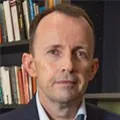
Ben Mathews is a Distinguished Professor in the School of Law at Queensland University of Technology. For 25 years he has conducted multidisciplinary research into child maltreatment. His research has influenced legal and systemic reforms in Australia and overseas to improve ways of preventing, identifying and responding to child maltreatment. He has served on two World Health Organization Guideline Development Groups on Health Sector Responses to Child Maltreatment. He is the Lead Investigator of the Australian Child Maltreatment Study, which identified the national prevalence of all five forms of child maltreatment, and their associated mental health disorders, health risk behaviours, and burden of disease. The ACMS generated landmark evidence about the prevalence and associated outcomes of different types of child maltreatment, but also pinpointed how we can improve prevention of child maltreatment in future generations.

Child clinical psychologist and Leader of Tuning in to Kids at Mindful: Centre for Training and Research in Developmental Health, University of Melbourne
Professor Sophie Havighurst is a child clinical psychologist and Leader of the Tuning in to Kids program. For over 25 years, in collaboration with co-creator Ann Harley and their team of researchers, trainers and students, they have developed parenting programs that support children’s emotional development, conducted research evaluating these, and helped to make these widely available to those who work with families. Sophie is the Chair of the Parenting and Family Research Alliance (PAFRA), a multidisciplinary research collaboration of experts from leading universities and research centres actively involved in conducting research, communication and advocacy pertaining to parenting, families and evidence-based parenting support. She is also a Co-Convenor of the End Physical Punishment of Australian Children (EPPAC) advocacy group, made up of 160 members are working to change the laws that allow parents to use corporal punishment with children.

Senior Practice Design Specialist, Parenting Research Centre
Emma Carmody is a Senior Practice Design Specialist at the Parenting Research Centre and is currently completing her Master of Social Work. She brings close to 20 years’ experience in the child and family sector, with a strong foundation in child protection and a specialist focus on domestic and family violence. Emma has supported practitioners across systems to embed evidence-informed approaches that centre the safety and wellbeing of children and families. She specialises in translating research into practical frameworks, tools, and training, and has led the development of domestic and family violence practice models co-designed with practitioners, children, and young people. Emma brings a trauma-informed, reflective lens to her work and is passionate about strengthening practice through collaboration, capability building, and systems change.
Facilitator

Chief Operating Officer, NAPCAN
Greg is a registered psychologist and Chief Operating Officer (COO) at NAPCAN (National Association for Prevention of Child Abuse and Neglect), where he oversees operations and strategic initiatives to protect children and youth in Australia. His leadership centers on advancing evidence-informed practice in child protection and primary prevention efforts.
© GettyImages/humanmade
10 September 2025, 1:00 pm to 2:00 pm (AEDT)
Ben Mathews, Sophie Havighurst, Emma Carmody, Greg Antcliff
Online