Creative approaches to support child and adolescent mental health and wellbeing

About this webinar
Art and dance are forms of creative expression that allow children and adolescents to explore ideas, communicate feelings and connect with others.
Drawing on research, practitioner knowledge and lived experience, this webinar explores some of the ways art and dance can be used to support child and adolescent mental health and wellbeing in both clinical and community settings.
It explores the positive role art and dance can play in early intervention as well as valuable tools that can be used alongside other supports in children and a who are experiencing social or mental health challenges.
This webinar will give you:
- insight into some of the benefits of art and dance for child and adolescent mental health and wellbeing, including community-based dance and dance movement therapy
- insight into some of the particular groups who may benefit from art and dance, including neurodivergent children and adolescents, children and adolescents with disability and children and adolescents who have experienced trauma
- a better understanding of the different ways art and dance can complement your work in supporting children and adolescents.
Target audience
This webinar will be of interest to practitioners and other professionals in health, social, education and community services who work with children, adolescents and families.
DR JAZ MACDONALD: Hello, everybody, welcome to today's webinar. My name is Doctor Jaz MacDonald and I am a research manager at the Australian Institute of Family Studies. We would like to acknowledge the Wurundjeri, Woi Wurrung and Bunurong people of the Kulin Nation who are the traditional owners of the land in Narrm, where this office is based in Melbourne.
And also pay our respects to Traditional Owners of Country throughout Australia and recognise their continuing connection to lands and waters. We pay our respects to Aboriginal and Torres Strait Islander cultures and to Elders past and present.
Today we are exploring how creative approaches can support joy and pleasure, social connection and wellbeing, and physical and emotional wellbeing.
And we really want to dive into what this means for practice with children and young people. Before we get a chance to do that deep dive, we have a little bit of housekeeping, so let's get that stuff out of the way first.
First up, we want to call out that there are some disruptions to the Telstra network today. Hopefully we are going to get through this webinar totally fine without a glitch. But just giving you a heads up that we might have some disruptions. If so, we will make sure we get the webinar content to you as soon as possible. And if you are registered for this webinar, you will receive information about that via email.
If you would like to use the live captions, they are available
via the link in the chat box. Towards the end of this webinar, we are going to have a live Q&A, in the GoToWebinar dashboard there is a questions box. So please pop your questions in there as we go through and we will get to as many as we can during this live webinar. But we also do a sneaky post webinar recording to try and capture any of the questions we hadn't yet gotten to and it will be bundled up with a live webinar in a recording that is made available to you in about two weeks.
If you want to be notified when that recording becomes available, you can register for the AIFS news, or you can go to the AIFS website and look at the webinar tab and click on that one. Keep in mind we have a whole back catalogue of great webinars for folks supporting children and families.
We also have related readings you can access in the GoToWebinar control panel. We will have a short feedback survey at the end of the webinar. Please, if you have got time, fill that out, for the purpose of continuous improvement, and making sure we are delivering what the audience would like to see. It is really useful for people to fill it out.
And today we are fortunate to have a couple of experiential activities, that are short and contained. You can see us but we can't see you, so you have nothing to lose, however you decide to participate in those experiential activities.
OK – housekeeping aside, the topic we are focusing on today, how did we get here? Myself and the folks behind-the-scenes for the webinar today are part of a project called Child Family Community Australia, funded by the Department Of Social Services to create evidence-based practice resources for folks working with children and families.
Throughout the year we do a lot of checking in with our audience to try and work out what are the topics that are most important in terms of current practice, and issues that are being faced.
And we have been told recently that there is a lot of interest in creative approaches, including dance and movement, and how that can support the mental health and wellbeing of children and adolescents.
So, we did an evidence scan or an evidence review of the benefits of dance and movement for children and adolescents. We looked at Australian and international literature, and we are going to kind of unpack some of these things today. But it is useful to keep in mind that what we found in the evidence is there are kind of two groups of types of dance and research.
One is dance movement therapy, or DMT, which is more clinical-based and delivered by registered dance therapists. And there is community-based group dance and movement which is usually more recreational and delivered outside of formal health service settings.
And the spoiler alert, I think, that we are going to dive in today is that both are useful. They are complementary and they both have positive outcomes for young people.
We are going to start a bit with what we found with that review, and show you some outcome clusters that these kinds of approaches, or this inclusion of dance and movement have benefits for young people.
So there is a psychological distress is one area, we see improvement in psychological wellbeing. We see improvement in psychosomatic symptoms – how young people are feeling in their bodies. We also see improvement in emotional regulation and coping. How young people see themselves, and their personal agency and confidence. As well as the role of dance and movement to build social connection and help with building relationships across peers.
So, you know, dance might be useful because it combines physical activity and creativity, social interaction and non-verbal expression. But it also offers the potential for increasing engagement, because of the creative nature of it. It is strength-based, it can be trauma-informed and also neuro-affirming. It is also culturally adaptive. So lots of positive aspects of including dance and movement.
But the research can only get us so far. It is an emerging research area. There is a bit of a delay with publication. And there are other perspectives we want to draw into this conversation. So I am here with three incredible panellists to draw on a range of perspectives to help us flesh out this conversation and push and pull on what we know and what can work for children and families. Incorporating lived experience, practice wisdom and research in the conversation. So thank you for being here, I hope you are excited, and let's get a chance to meet our panellists.
Each of the panellists are going to take a little bit of time to introduce themselves, but you can find their full bios in the info associated with this webinar. That is in the Materials tab.
I would like to throw to you first, Mya. Would you like to introduce yourself and share the perspective you are bringing to today's webinar?
MYA SHERWOOD: Of course. I have never really known a life without some sort of creativity. I know the big focus is on dance but there are so many others as well, like theatre and art. Painting... I never expected that dance would help me become a leader. Without it, I wouldn't be the person I am today. And I guess the perspective I really want to carry on today is community-based.
Dance reminds us that you don't have to be the strongest one or the best dancer to belong. You just have to have the passion for it.
DR JAZ MACDONALD: That is awesome. Thank you for getting us started, Mya, and bringing that perspective from the experiences you have had in the community and school. To you next, Jess.
JESS NICOL: Mya, I am so grateful to have you here – someone with your lived experience is amazing. I am Jess, the coordinator of the Starfish program from yourtown, joining you from Kingston, Queensland. Starfish is an early intervention and mental health program. We support young people from birth to 18 who are showing early signs of mental health challenges.
My personal background, though, is counselling and therapeutic arts practice. I have been practising for 15-plus years and I have had the privilege to work alongside many children, young people and families. I worked at both government and community settings. And I guess the one thing that has really become clear to me and that I have become really passionate about over the years is that sometimes words feel too hard.
Then I found that instead, creativity can create a pathway for young people, and anybody, to express themselves. I have discovered they are such powerful tools that sometimes can be the simplest things, and that we can all have access to them. So today I am hoping to share my passion for that creativity continuum and bring some of my practice wisdom and learnings from walking alongside lovely young people like Mya, and helping people stay within their scope of practice and really understanding what can I do to support young people and their wellbeing. Thanks for having me.
DR JAZ MACDONALD: Lovely to have you here, Jess, thanks so much. And last but not least, Doctor Ella Dumaresq.
DR ELLA DUMARESQ: Thanks for having me. I am calling in from Wadawurrung Country down in Geelong. I am privileged to be a dance therapist and I resonate so much with what Mya and Jess are saying too. I am a practitioner, researcher and lecturer at the University of Melbourne. I think the particular lens I am bringing to the conversation today really centres around the value, from my perspective, of really being led by young people's perceptions and voices and experiences in the development of service provision and the delivery of those services, both in practice and in research. That is what really excites me. So I am very happy to be here with you all, sharing that passion.
DR JAZ MACDONALD: Beautiful. That excites us as well. Really pleased to have you here. I feel like a beautiful balance within the room. So let's dive into this, team, push and pull, ask questions of each other, in particular, Mya, really interested to see how the things that Ella and Jess are sharing resonates for you.
So, let's get started.
I want to zoom out a little bit, because we have talked a lot about dance, but as Mya pointed out, creative approaches are broader than dance. I wonder if you can get us started in unpacking what we mean when we say 'creative approaches'.
JESS NICOL: Absolutely. Creative approaches, for me, like Mya said and you mentioned, is not just one art form. It is so much more than that. It can look like art, dance, music, storytelling, drama, photography, digital media. Probably a whole lot more. I know you are all probably experts behind here knowing about as well.
But these are the ways that history has shown us that all young people tend to naturally communicate and connect and make sense of their world. As I have reflected over my own practice over the years, and through these conversations with these amazing people we are talking about today, the one thought that I keep coming back to is – creativity is for everyone. And creative approaches all have a place across the continuum of care.
As a very visual person, that idea kind of inspired me to create this slide you are seeing in front of you. Before I dive in, I want to acknowledge that this slide is called 'A Continuum of Creative Engagement – Ways of Working with Young People', but realistically, it is just a visual reflection of what I have personally come to understand creative engagement to be in my 15 years of practice.
I don't want to be up here saying it is an exhaustive list, including everything. I want to acknowledge that everyone in this room brings valuable expertise and perspectives. And I don't presume to speak for any of them. My intent is to share and spark this conversation. So, with a disclaimer in place.
I also want to say it is so sad, and many of us who advocate in this creative space will know that although the evidence base is growing, there are still limited practical resources to help practitioners understand how creativity can be used intentionally and safely within scope. Which is why it is really exciting that AIFS is on board and doing research in this space.
Looking at the visual, you can see there are four key areas. But even though it is in this continuum... I don't want you to see that as a hierarchical thing. Because it really isn't. It's not a ladder, it's not one approach is better than the other. Because I actually think creativity in itself is completely messy and fluid, and it goes everywhere in all different places.
So young people tend to move between these spaces all the time. And I think sometimes they might happen at the same time, sometimes they might happen one at a time. It doesn't really make a difference, because they are all valuable.
As you can see, they are split into the different categories there. Everyday creative expression, community creative participation, practitioner-led creative approaches. Then the specialist creative arts therapy, which the wonderful Ella will be talking more about.
It is important to look at the centre, each one has potential benefits regardless of which one of those you start in. It doesn't mean that the creative activity necessarily needs to change, when using them in different domains, which creates confusion about what that could look like.
What changes is the purpose and the intention and the training of the person who is facilitating and the scope they are working within. Obviously, you can read that and the tiny purposes do that, everyday creative expression is what young people do in their bedroom, the living room, dancing around on TikTok, on their Spotify, gaming and creating worlds, that everyday expression everyone can access.
The next one is community creative participation, it is dance schools, youth theatre, local music groups and cultural spaces where people can come together and have belonging in those environments. Next is the practitioner-led approaches, many people joining us today – teachers, youth workers, counsellors, family support workers, we use them as tools in the toolbox of practice.
That could be regulation or strengths work and I will talk more about that later. And lastly the specialist area where Ella will shine through, the solid definition is with specialised postgraduate training in clinical expertise that are recognised.
As a quick example before I hand over to Ella Dumaresq, I want to talk about slime. I do a lot of slime with young people here and make slime and this is an example of how it could work in different spaces. Slime has talked to me about creative engagement.
Starting with everyday creative expression, at home a child and a caregiver can make slime because it is fun and you can do it relatively affordably and expressed through colour and choice.
Next, a holiday community art program and when they are making the slime and it becomes the vehicle for friendship and belonging and doing it side-by-side with new friends and they can play with it.
Next, moving towards practitioner-led, a teacher in a classroom using slime as part of their calm down corner, a youth worker using slime to build rapport. An OT could use it for a sensory fine motor skill development. And a counsellor could use it to regulate a young person and use it as part of a regulation toolkit.
Lastly, you have the creative therapist who might use slime as a deeper therapeutic practitioner process, where the material shifts and changes, and it is about how it moves and creates emotion and form.
You would notice – the slime did not change, the purpose did. Creativity can exist across the creative purposes, the question is why and how we are doing it and whether that is in our scope of practice. I want to hand over to Ella who will take us deeper into what it looks like when the movement and creative process becomes the therapy itself.
DR ELLA DUMARESQ: Thank you very much, Jess. As creative art therapists, we do paradox well. That was a fantastic overview and a framework to help us understand the role of the arts across different contexts. I enjoyed what you are saying about it is not necessarily the art that changes from setting to setting, it is the purpose or intention behind it. A practical example of what that could look like.
Before I talk about young people and I will focus on that, (audio dropout) acute psychiatric care. I think this is a good example of the purpose behind what I was doing as a dance therapist in a hospital setting, quite different to the purpose that I carried before when working with young people in a school, in an acute medical setting it was part of the healthcare process where I was working with a multidisciplinary team and a dance can be valuable in targeting mental health and psychological distress.
That is a research cluster you named recently, using it in an individualised and tailored way for each person with the overall intent of helping to reduce the more negative symptoms people were experiencing around their mental health challenges. I would like to emphasise today the incredible capacity the arts have to not only treat things like mental health or mental illness, but also to turn the volume up on important things that we all need to experience – joy, pleasure, creativity, connection – whether we are working with people using it in a more clinical sense or using arts for every day.
The value of the arts for me rests on the foundation that is often the pleasure people derive from it. As Jess stated beautifully, it is not the specific modality that matters, it is what matters to people. Some people will be more interested in doing visual arts, drawing, writing, some people are more kinaesthetic and they may be moved to moving and dancing.
Other people might enjoy photography and taking photos on their phone. For all practitioners to keep in mind when creating a cultural mindset for young people, arts engagement takes place in many different ways.
What is very different from the arts and health literature is the idea that it is not a specific intervention, but a cumulative effect of taking the arts in small, moderate and large ways across the lifespan that has the best health-promoting potential.
When I am perhaps talking to a young person in a research study like we are discussing today, and they say, "One of the ways I love to dance is in my bedroom or with my friend and we do Just Dance videos. We watch YouTube videos and dance to that."
I am a dance therapist but what I hear when people say things like that is – it is embedded in my everyday life already. How could the skills I bring extend that? That is something I would like to discuss today, we want to encourage people to be appreciating and valuing the small incidental ways we all engage with the arts in our everyday life.
DR JAZ MACDONALD: Beautiful. Everything you shared, folks are in the chat and there's a lot of positive appreciation for the idea of creative engagement and what that can look like. Which we will build up to in this discussion.
Mya, it would be great to throw to you next and touch base – is there anything in particular that has come up, so far that you want to comment on?
MYA SHERWOOD: Something Jess said earlier... It has definitely helped me, actually talking. Sometimes it is hard to explain how you are feeling but dance gives you another way to express those emotions through movement and music, you can communicate something without having to find the perfect words.
For me, it doesn't replace talking about my feelings. I definitely think it is something that is necessary. It definitely helps me with the process. And understanding how I truly feel.
DR JAZ MACDONALD: That is a really beautiful way to summarise how dance is fitting into how you are communicating about things you need. I remember we were discussing at one point as well, the relationship building and social aspect of dance for you. If you don't mind me saying in front of everybody, I think you said when you started, there was a group you started dancing with and you were menaces to the teacher when you started.
After a couple of years together the dynamic shifted, what did that look like?
MYA SHERWOOD: When I started dance in year eight everyone wanted to choose it. There was a whole group of us from different backgrounds, personalities and confidence levels, all in the same room together. At first we were really chaotic. And as I said, menaces. At first we didn't know how to work together, our teacher had her work cut out for her but over time we found each other's rhythm.
We learned how to take in each other's thoughts and we encouraged each other as a team. By the end, we became a close class, nowhere near as chaotic but still a little bit. We kept some of those connections outside and beyond the classroom as well.
Looking back it is a great example of how dance can bring us together. People who might never have connections otherwise.
DR JAZ MACDONALD: That's awesome, Mya, thanks for sharing and for joining us today. You can hear and see the sincerity of the experience you have had and also the humour, and your confidence in your communicating. If dance had anything to do with that, that's impressive. Thank you.
Alright, team, this is the point where we wanted to shift to an experiential activity. Over to you, Jess.
JESS NICOL: Either your body just went "oh, no" or, "Yes!" Nothing fancy, no arts degree needed, grab a pen and paper, or you can imagine it in your mind. What we are going to do is draw the best part of your day so far. If there hasn't been a clear best part, that's OK. You might draw something you have noticed or felt OK to you, a colour that matches your day or a shape or a line.
For example to get you going, your morning coffee, a laugh with your friend, a quiet bus ride, you got a car park at work. The sun coming through the trees, whatever it is, no right or wrong way, whatever comes. Let's take 15 or 20 seconds now, draw something from your day so far.
I might get you to time this, Jaz.
DR JAZ MACDONALD: OK, 20 seconds from now. Five seconds left, folks.
Alright. Thanks, Jess.
JESS NICOL: Before anyone panics, I am not going to ask you to hold it up to the camera and everyone shows their work or explains what you drew. So 'whoof!' For those people who are like, "Thank goodness."
I want you to take a minute to look at what you created
notice what happened if you chose not to create anything at all. If you didn't do it, I want you to notice, without judging yourself – maybe your body went, "No thank you, not today, Jess!" And maybe by honouring that you are listening to your own embodied knowledge. I know that Ella might talk about this later on.
Maybe in that moment you didn't need to express, you needed to take a breath, take a sip of coffee or look out the window. And regulate. And at the end of the day, that is completely OK and that is your choice. That is actually something that matters, because young people do this all the time.
Sometimes when they enter our spaces, what looks like non-engagement, looks like resistance or disengagement, but really it is their nervous system telling us, "I'm not ready yet, or I don't want to." So when we use creative approaches, we really want to make sure that choice is not just a nice little extra. Choice is part of creating safety when we are alongside these young people.
Before we ask people to express, we offer ways to help them feel safe enough to arrive. And that is part of that regulation piece. Looking at this activity, this tiny little activity that was really fast, gives a small glimpse into what I will talk about shortly, which is helping young people to regulate, connect and express, and doing that in different ways.
But for the purposes of now, I want to sort of leave that out. So for some of you, this activity was useful because maybe it was part of your pause and you didn't do it, if you looked out the window and thought it is not helpful, but that was you regulating yourself. Some of you might have got super excited. "I am going to draw a person and place and the coffee and a tree!" And that is about you having some connection to the world around you and hopefully it made you feel more connected to the here and now.
For some of you, you might have put something that was really colourful and expressive, and you are able to access it really quickly, because you didn't have to find the right words to be able to explain it. You just did something that was expression. So even though that was just 20 seconds, we can see how creativity can give us another way in, without forcing a big conversation straight away. It activates a different part of our brain.
Because let's face it, if I had gone, "Everyone, what has the best part of your day been so far?" Our brains go into autopilot and we say yeah, good, fine. But when we ask something creative, we activate the part of our brain that gives us permission to think and express differently. Then give us an opportunity to talk about that differently as well. Because creativity is not the outcome, the drawing is not the outcome. The outcome is the conversation that can come from the creativity itself. The connection it can build. The safety it can create. The reflection that it can support.
So as I've mentioned, creativity is one of the many tools I have in little box, that sits alongside all the other things we do as a practitioner such as listening, curiosity, attunement, reflection... All the things that help us with evidence-based practice. But I suppose it is just that vehicle for change, when we can't find the perfect words, as Mya mentioned, later.
If I was to do it with a young person and they showed me what they did I might say, "Tell me about this part. What made you choose that colour? If this part could talk, what would it say?" Just inviting reflection about what is on the page.
This is what I want to come back to – people get confused with art in general as a creative modality. People say, "I am not creative, I can't even try!" No-one is asking you to create something beautiful or marking it. It is just the act of expressing yourself or regulating through a different modality, which I think is very powerful.
DR JAZ MACDONALD: Thank you for taking us through it. I felt that myself, it is quite grounding, right? To reflect on. Like a gratitude aspect as well. I have had something nice that has happened today already.
I was just going to note, we have covered a lot of ground already and we have plenty more that we want to cover. Ella, I want to throw to you next and give you a bit of a choice, because we unpacked a few things already, which I think has covered aspects we wanted to touch on throughout the webinar of what this looks like in practice.
At this point, would you like to take us on another experiential activity? Would you like to dive straight into speaking about the research you are currently doing in secondary schools?
DR ELLA DUMARESQ: I think I will start talking about the research I am doing in secondary schools. But as I am doing that, I will invite people to take a moment to check into your body, as I am talking, an invitation not only to listen to what I'm saying, but if your body needs a moment to turn away from the screen, take a few steps, move or stretch, remind yourself that you are listening not only with your brain, but also your body. Perhaps that can be your experiential provocation or cue today, rather than taking you through a process.
Because I would like to take you through some of the findings that have come out of a recent project I have been lucky enough to do in a school where I live in Geelong. I want to shout out my wonderful collaborators and co-researchers from Melbourne City Mission, Sally Rester and Linda Swan from the Family Reconciliation and Mediation Program, who do wonderful work with young people and have really identified a need for services of this kind in the early intervention and prevention space, as well as in treatment.
So what we have come up with is a pilot program, really. And we are very interested in learning from young people about how they perceive dance, and how they experience group dance therapy, or sessions in a school setting. I am a qualitative researcher and very interested in people's stories and experiences and what they tell me about how they engage with services like this.
Some of the key things that have come out of this study relate really closely to some of the outcome domains or clusters that Jaz mentioned earlier on, in your evidence-based review. I wanted to talk a little bit about emotion regulation and coping. You will see some photos displayed on the screen now, and you will notice... This is me working with different populations of people. An aged care population, and I have done some community dance projects, as you can see here, at Federation Square, working with groups of young children. So as you can see, I have worked across the continuum of care.
The really key thing that we often consider when we are working as dance movement therapists is that there is an embodied component to our emotional life. It is very difficult for children, teens and adults to start talking directly about their emotions. So from a dance movement therapy perspective, which is a body-based, somatic perspective, what someone like myself would do is to gently enquire into that person's lived, embodied experience. Really starting with sensations like, what can you feel, what can you notice? Do you notice your feet on the ground, the feeling of the fabric you are holding on to, do you notice the temperature of your body, the sense of weight or gravity?
This is a bit different to even what Mya shared with us today, and different from teaching dance. It is about leading people through a process in a way that is very connected to their emotional state. And certainly the psychosomatic domain that Jaz, your research mentions. Psychosomatic refers to the way in which the body and the mind relate. This is really key for dance movement therapy because we feel, we realise we know from research, that change in one domain can correspond to changes in our emotional state.
So with that in mind, I offered some creative improvisation exercises in the secondary school with the (inaudible), and asked them to engage with me in this. I wasn't teaching dance – I was being fairly open and nondirective. Did a lot of..., Mya mentioned before, finding rhythm with the people you are dancing with. A lot of shared rhythmic movement and reciprocal movement exchanges where one person would express a shape or gesture and the group would mirror or follow that. Very different to doing choreography.
So what students said was, this was very soothing. I am using some verbatim quotes, from the emerging data, which I'm still becoming familiar with and looking at. Students would describe feeling very calm and quite grounded. Using big pieces of fabric like this, lots of lovely, sensory tactile experiences. And I think this relates to what you mentioned before, Jess. One of the students said, "I feel like I can express my emotions in dance without having to sit down and explain it."
So I separate these things from the perspective that emotion regulation and wellbeing and resilience really starts with our body. So getting to know our bodies. And also allowing for movement to emerge in a way that feels natural and feels good for our bodies. It's not about technique in my practice. And there is a lot of benefit for doing technique in choreography, very mutually beneficial practices. But in the way that I work, it is quite non-directive.
And so there was a lot of... A great sense that this was something that students could do, and they were starting to connect the fact that how they move corresponds with how they feel.
I also want to mention one of the other outcome clusters which is really important, and this relates to self-perception and personal agency. This is something that Jaz's research is starting to articulate. This is really corroborated, I feel, by what students were saying. They would share things like, "I felt free, I get a sense of freedom, and doing it in this way where there is no specific structure or directive gives me the sense of freedom." This word 'freedom' came up a lot in the data. One student described it as 'freedom dancing' and another student said, "Can we put on music we love and just dance and groove to it?"
This playful and open approach does create a creative sense of confidence in one's own abilities. It is so important in a lot of the other therapeutic work I have done. People have a really strong desire sometimes to join a community dance group but because of the nature of their situation, or the mental health status at the time, there was a real barrier to doing that. One of the barriers can be self-confidence. So sometimes the work we do is about the role of self-confidence. I have heard some clients in the past, following a program, have actually gone out and engaged in community dance, and that is the goal, where this work becomes a bridge into other things.
I will pass to Mya in a second, but one of the other important outcomes relates to the social domain that Jaz mentioned before, that (inaudible) is really good, and having the energy when you are dancing come from different people... I am looking at my notes because I'm not quoting verbatim. "The energy that comes from different people when you're doing the same dance, is so cool."
It refers to the incredible capacity that the arts hold for inducing a sense of social bonds that can happen very, very rapidly. People do bond very quickly through dancing. And Mya, you mentioned this in what you are saying. Also the fact that through dancing people can express themselves. And the student said it is great that we get to be a little bit weird together. And they also identified it was very fun. We know that fun and enjoyment are incredibly important. They are the foundations of therapy, before I can even focus on other therapeutic outcomes, I need to make sure people are engaged and what we're doing is pleasurable enough so we can come back and try again and build from there.
So I hope those three examples of the social, emotional and self-perception are helpful. This is really coming from the young people themselves, who described this to me. I just think it's interesting that it does correspond to what we know from the research, including the research that you are doing, Jaz.
DR JAZ MACDONALD: Beautiful. Thank you so much, Ella. We probably have, maybe, about... We have a short amount of time before we are going to look at questions. And I would really like to spotlight you in this time.
I have got a couple of questions for you. Let's see how we go. One of them is, what does it feel like in your body when you dance? We have talked to bit about being grounded or being aware of what is happening in our body. What is that like for you?
MYA SHERWOOD: I would definitely say, that's a good question. I would say that dance has helped me calm down. Like, we talked about before, you are regulating your body. Because I'm focused on one thing. I am not worrying about everything else. It gives me a break from everything else that's going on.
It is also one of the places where I feel most myself and in charge. I can express who I am without worrying about saying the right thing, which then goes back to, I would say, the 'without talking' part. When words feel too much. I think that is wonderful.
But it's also (audio dropout).
DR JAZ MACDONALD: Mya will be going out and coming back in, we will see her soon.
I think this is a good point, Ella and Jess, given you are so experienced in these topics, and we have the session after this live session to unpack things a little more. Great questions are coming through, thanks to the folks joining us, some of those we will take offline and cover. We might do a quickfire to see what you both think on a couple of these things.
The first one – a request for a good slime recipe. I think Jess you could help us with that. We have one of our researchers supporting this webinar and AIFS work on the topic, they can share a couple of recipes if you are up for that, Jess, unless it is a trade secret.
JESS NICOL: Oh, yes, the special slime recipe. It depends on the texture you want to use. We use the Helmar's glue, that could be the secret sauce. You can use anything, I will throw this back, I can put recipes out there, but I would say experiment and play and have fun. Ask the young person what tactile things they enjoy and make it into slime. Sometimes in that experimenting you start to learn all about them and their resilience in those moments and if things don't go how you want them to go, how you can put coping strategies into the regulation.
I will be sneaky and not give you a full recipe but I will put something out afterwards. I think everyone here would know lots of good ones, to be honest.
DR JAZ MACDONALD: Hello, Mya. You are connected and now you are here to express. You are very impressive, tech can be stressful for the most experienced of folks. Thanks for sorting that out and rejoining us. When we lost connection, what you were saying was resonating with us and we appreciate hearing your perspective.
I might check if your camera has frozen, maybe you can still hear us? Apologies, folks at home, in the room we are on the edge of our seat, it is valuable to have a young person's perspective. Let us know when you are back, Mya.
Ella, here is a question from someone in the audience today – they are curious about the interval of time for different activities. Choosing 20 seconds, I want to check in with you, Ella, when you are doing a movement or dance-based activity, what is the interval of time?
DR ELLA DUMARESQ: It's a great question and pacing of questions is something I teach and this is a skill students develop over a number of years. When you are in a creative space, time just flies. I always aim for a shorter amount of time than I think because I know how easy it is to go over time. Really important is the skill of observing what is happening in real time.
Often I will have a plan and I will think I will do the activity for five or 10 minutes and maybe it doesn't land. It is either to move this, or do it differently, modify it and persist. One of the fascinating things about the way creative arts therapists work, and this is applicable to other people using arts this way, a great deal of improvisation is needed.
A general session time for me would be 45–60 minutes and I try to ensure there is a beginning, a middle and an end. Sometimes my plan goes out the window as I adjust and tune in real-time to what is happening in front of me. Certainly, there is an arc around allowing enough space so people can settle in to their bodily experience. This can take a bit more time, you don't just immediately drop into it. It is a wonderful question, I could go on. I need to time manage myself. (Laughs)
DR JAZ MACDONALD: Thank you, Ella. Is there anything in thinking about the creative approaches that you want to add to that with intervals of activity, Jess?
JESS NICOL: We might use collage to express strengths or future focus, it is important for a facilitator to think about what the group needs right now, are they busy body, busy mind, and asking those questions around do they need to regulate and do we need to do a movement break?
Tapping their body or shaking or dancing, to reengage in the activity. Or is it a connection situation where we need to do activities to get to know each other and create a moment of belonging where they can share their artwork and feel safe to do so. Or do they need to express in the creative flow that you talked about before, the fluidity of creativity is occurring, which is the best thing to look at when looking at young people.
And if you are saying I don't know, being OK with not getting to everything and prioritising what the young people are telling you is giving them joy and strength and resilience and improving their well-being. The success of time management is being led by the client.
DR JAZ MACDONALD: I am appreciating in this discussion the principles that should apply no matter what we are doing. What is the purpose of the activity, what does this serve for the young people, checking in as you go because you have a plan and the importance of grounding, being conscious of what you are doing from a practice perspective and taking feedback from the people you are working with.
We have an update from Mya and her laptop is not cooperating. She hasn't given up. We only have a short time left but we will prioritise her voice in the recording we attach to the webinar so when you watch it later, you will hear more from Mya.
A couple more questions. This was a good one – in a group setting with young people what is the most effective way to select or choose music?
DR ELLA DUMARESQ: I am always learning and one of the most fascinating things with young folks... I have worked mostly with adults so that young people brought a fresh perspective, a collaborative approach can be wonderful. Often when working with clients, it is almost in the first session I might spend a whole session talking about music, getting to know someone's musical tastes.
I have found this to be an entryway to not only knowing the person but their preferences and cultural preferences. Doing what we are doing where the students get to select the music we are dancing to is really great. Music is so important in my work as a Dance Movement Therapist and there is excellent research from music therapy, I work with a lot of music therapists about using music in a participatory way. In my practice I found using the music people adore can be a successful way to work.
JESS NICOL: I think working with so many young people and families, whether small people or adolescents or parents, when you ask about their coping strategies, they will always say music. It might look different, it could be classical, rhythmic, something that says we are wired to go towards that rhythm.
That quote – the first thing you hear in utero is your mother's heartbeat and that rhythm. I see that in our creativity with movement in therapy all the time. Young people are naturally drawn to it. To your point, Ella, I use music all the time, show me music that shows me your identity or is attached to your memory, especially around grief and loss, you can share that to unpack things in a different way to asking about that person.
I have created music with young people, lyrics that can move to the spaces of movement as well. There are so many ways you can choose music and also use music with young people.
DR JAZ MACDONALD: We are at the pointy end of the webinar, but there are two things I'd like to cover. If we could see those... Remind me of the three things.
JESS NICOL: If you get nothing else out of what I have said today, when with any young person in your life, ask yourself in the moment – does this young person need to regulate, create safety in their body and mind and how would I use creative modalities to express that? Does this young person need to connect, externally to others around them or connect to their inner world or me as a practitioner supporting them.
And lastly – I am passionate about this – finding a voice in their own way through their own activity, creativity, the things they care about to show me who they are and what they care about and what their voice is. Sometimes we rush in, but keep in the front of your mind to help you go maybe they are not ready with that and here is a way I can think about this differently.
DR JAZ MACDONALD: What a beautiful way to sum up the fantastic discussion, and so simple to keep in mind. I appreciate it. I have a great question I will take off-line for you, Ella, a cliffhanger for the audience. We will keep this discussion going.
We will call the webinar a wrap at the moment. Jess, Ella, thanks for your time and expertise. Mya, she was incredible and we will hear more from her in the additional content. Thanks for being with us in your offices and homes, thanks for joining us. We appreciate it. Thanks for the AIFS folks behind-the-scenes who made the webinar happen and made us look good. Setting it up so it happened, thank you, Bowie and Kylie.
Subscribe to the AIFS newsletter to find out about the recording and other announcements. Please do the survey, I am excited to read the responses to adjust the work we do. And lastly, we look forward to having our next webinar next week – Responding to Uncertainty and a Compassionate Approach to Practice.
Until then, take care and we will see you again soon.
DR JAZ MACDONALD: Hi there folks, thank you for joining us for the extended Q&A and we’re really excited to have you back with us, Mya, and really keen to dive into some of the things that we wanted to discuss with you and hear your perspectives on, but didn’t have a chance to in the webinar itself. One of the things that Ella spoke really eloquently about in the live webinar was this idea of embodiment: what it feels like to dance, and the freedom that can come from that. I wanted to check in with you and see, what does it feel like when you're moving and dancing? What's that like?
MYA SHERWOOD: I would definitely say the biggest part that we've already touched on is that it's freeing. It's so many things in one. It's one of the few times where I don't overthink something. It's very natural to me. I can just move and really enjoy that. I feel like I can express myself without having to explain anything, and it's something where I can just be. It's not meant to be hard. You don't have to do a lot of things. It's just fun and it's freeing.
DR JAZ MACDONALD: Can I touch on something there, Mya? I think something really powerful that you've just said is that you don't have to explain yourself. You don't need to go into detail about this, but I wonder if you might help. The purpose of the webinar is to give adults working with children and families some perspective on the research and practice aspects, but also what this is like for a young person. Could you talk a little bit about that sense of having to explain yourself, and how being in dance is different?
MYA SHERWOOD: In dance, it's an art form, so you already know or expect that your movements should speak for themselves. I don't have to explain that the wave means this or symbolises this. It's just something where you can look at it and understand.
DR JAZ MACDONALD: It sounds like it's a bit of a shared language that you have with the other people you dance with.
MYA SHERWOOD: Definitely. It's a community in itself.
DR JAZ MACDONALD: Oh, that's lovely. I wonder as well, you said you can't remember a time that you didn't dance. Maybe in the last couple of years, are there things that you've noticed about changes you've had personally through doing dance?
MYA SHERWOOD: I've had some injuries along the way. A few years ago, from another sport that I did, I broke my wrist. That meant I had to really stay away from all movement, and then regain that strength in my wrist. Having to step away from something that you've always known or always been intertwined with was very difficult for me. I guess the best part of it was having dance to really help me with my movement again.
DR JAZ MACDONALD: Do you mind me asking — I think I might already know — was this injury through karate?
MYA SHERWOOD: Yes.
DR JAZ MACDONALD: That's got the movement aspect as well, except you're not necessarily working with the person, but still needing to anticipate the movements of the other person, right? That's interesting that your movement extends into other things that we wouldn't necessarily classify as creative, but there's a lot of improvisation, shared language and embodiment there. That's really interesting. You've opened this door a little bit. The work that we've done at AIFS in mental health across the lifespan, and the broader literature, shows that it can be hard for people to regulate and cope when something that usually works really well for them isn't something they can do. An injury for a young person is a good example of that. This is quite open-ended, but when you couldn't dance or you had that physical injury — when that was an outlet for you — what other kinds of things did you find helpful to regulate, de-stress a little bit and have some creative time for yourself?
MYA SHERWOOD: With that, I couldn't really move my hand, so I tried to do other things that had to do with art. I did more digital art, and I even started helping people with their lines at school and their rehearsals. Last year, I had surgery on my ear, so I had to step back again. That opened up doors for me to be more of a leader in that sense. In a way, I was still involved and still doing something, so I didn't feel like I was missing out on anything. I still felt like I was there. Then, when I was ready to come back, I didn't feel behind.
DR JAZ MACDONALD: That ability to pivot and to not feel like, “I can't move, so now it's not dance.” When you said helping people with lines, you do theatre work as well, right? To pivot and think about using leadership skills or being involved in other ways is very impressive, Mya. Super insightful and reflective, and your ability to respond to things on the spot is very impressive. Thank you again for joining us today. We can probably cover one last thing before we finish up this extended Q&A. One of the final questions that came through that I really wanted to put to the group was: what about overcoming that little bit of resistance or the barrier that some people might have of feeling like, “I'm not a dancer,” “I'm not arty,” “I'm not creative” — those total labels that we might have of “you're your thing” or “you're not a thing.” Mya, is that something you experienced when you started? Did you have a little bit of resistance to jump into dancing or theatre?
MYA SHERWOOD: Definitely. But I also think that's normal. I think that's part of it. The first step is changing what dance means and what it means to you. Like I said earlier, we're on different journeys, but that's because we have the passion for it. Other people are ahead because they're on a different journey to you. You don't have to be the best dancer in the room to enjoy it. Dance isn't just about performing perfectly. It's about moving, expressing yourself and having fun. Once people realise no one is expecting perfection from you, there is often much more willingness to give it a go.
DR JAZ MACDONALD: That's beautiful. So well said. Jess, this is why we need young people in every conversation, right?
JESS NICOL: I think she said it all. Yeah.
DR JAZ MACDONALD: I was just going to say, Jess, there was a point that you were making about process and outcomes, so it's probably a good time to jump into that.
JESS NICOL: Yeah, that's exactly right, Mya. Even being able to reframe what it means to you can be part of the journey, can't it? Around this perfectionism of what we think art or dance can look like, and what it means to you. Those were such powerful words. I can think of many young people, but one comes to mind. They had a very concrete idea about what art is: “I'm not creative” and “I can't be doing this.” There was a background of domestic and family violence and some trauma associated with that. They also had neurodiversity as part of their identity and who they were. When they came to the session, they had really clear ideas about what they thought we were going to do together. In partnership, we created opportunities for them to reimagine what it could be, using their strengths, using their interests, being curious and using different modalities to unpack the fact that it isn't actually about what it looks like at the end anyway. It is about the process of creation and the process of making it together in a relational way. Through that creative experience, for that young person who was so needing things to be “perfect”, they were able to have opportunities to practise curiosity instead of certainty.
JESS NICOL: They were able to experiment instead of being perfect and have that flexibility of control, which they hadn't had in their lives before. That was by using things like different collage pieces that didn't end up looking like a certain thing, using fluid art because it's quite messy, and movement — the whole point is that it doesn't create a perfect picture at the end. Painting as well: not to create something, but just to create colour on a page and be okay that one stripe, one circle, one anything, one movement is enough. As long as you're having fun and you're connected, that is the spirit behind that. I guess I'm so passionate. So yes, it's amazing.
DR JAZ MACDONALD: When I listen to you speak, I just think: isn't all of that useful from a workforce perspective? Uncertainty, giving things a go, not having perfectionism — all this stuff that young people might experience or bring. The folks in the workforce will have their own version. It doesn't map one to one, but it's nice to acknowledge that we'll all come with different levels of comfort with uncertainty and trying things out. Thank you, Jess. Ella, I feel like it loops back to you. You were telling us in the live part of the webinar about the use of Just Dance with the young people you're working with, and I feel like there is probably more out of that that applies to this idea of overcoming those barriers, or hearing what young people need when they present to support sessions.
DR ELLA DUMARESQ: Thank you for the invitation. This was something really fascinating that came out of the research. In my toolkit as a dance therapist, I've got a lot of different ways, as Jess has just described, of bringing people into the experience in a way that's not about technique or perfectionism, but about the process itself. That's the standard toolkit that I work with, but I'm very open and interested in the things that people already know and do and love about dance. In the context of working with the students in the school, it was a recurring theme. They'd often say, “Can we do Just Dance to finish today?” I put myself in the position of, well, I was there to offer something, but I was also there to learn from the young people. They shared with me how they love to use Just Dance, which is a video game where you follow movements that the characters are doing on the screen. We were able to access this through YouTube. Through exploring this together with the students, and exploring how they used it and how it links to wellbeing, I started to realise that this is something these young folks are doing every day, or weekly — very regularly — by themselves and in groups.
DR ELLA DUMARESQ: They'd say things like, “It's so fun for us because it breaks down social barriers. We know how to do it. It's familiar. We can anticipate what comes next. There are accessible movements that we like to follow along with.” One of the beautiful things they said was, “It's really nice because we can go and join other groups doing Just Dance because everyone knows what it is, and you can just go and join someone.” It sounded to me like this was a very inclusive way of using dance that the young folks are using. I was exploring with them: if we do a project again and use dance to support your wellbeing, is there a way we could bring Just Dance into our sessions? This is not something I've ever considered doing as a dance movement therapist, but I really love to individualise or tailor programs for the person or for the group. Those students had some really innovative ways and ideas that they presented to me about how we could take elements of Just Dance and blend it with some of the more creative, improvisational and non-directive uses of movement that we explored as a group. I thought, that's really wonderful.
DR ELLA DUMARESQ: Here's a whole new way, a whole new method of engaging these young students that I would never have thought of myself. It showed me the incredible brilliance and value of recognising the cultural context, the cultural references or frame that the people we're working with have. There's often so much wisdom there. In this case, it's not Just Dance in a diminutive sense. It's not “just dancing”; it's so much more than that. We've explored that today. It's joy, connection and socialising, and there's also a sense of mastery and agency that really comes through this practice. I just wanted to offer that as a way of collaborating with young folks and looking at how the arts are already baked into the fabric of their everyday life. It's not separate to what we do in therapy. It can be used as part of the process. Thank you, and thank you, Mya. It was wonderful to connect that a bit to what you were saying.
DR JAZ MACDONALD: What a great way to build trust and to show the young people that you're listening: what's important to you is important, so how can we work that in? Thanks for sharing, Ella. That's a really great example. I would really love to spend the rest of my day talking to the three of you, but we probably should start wrapping up. Thanks for making the time for the audience, and for sharing with each other some more insights and responding to questions that have come through in this extended Q&A session. Jess, Mya, Ella — thank you so much. I really appreciate you taking the time. And to folks watching this webinar, thank you for your support and for tuning in. We really hope you've enjoyed it. We certainly have, and we look forward to seeing you next time.
Presenters

Dr Ella Dumaresq is a dance therapist and Lecturer at the University of Melbourne and leads the Dance Movement Therapy stream in the Master of Creative Arts Therapies program. Ella holds a PhD in dance movement therapy: her doctoral project focused on developing collaborative approaches to dance therapy with women navigating through the criminal justice system. Alongside her academic duties, Ella has explored dance therapy with participants in a forensic psychiatric hospital and in community addiction recovery. She enjoys working with diverse groups of people to explore their perceptions and knowledge/s of using dance as a health and wellbeing resource.
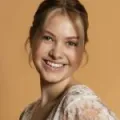
Mya Sherwood is originally from Wagga Wagga in regional NSW and relocated with her family to Canberra in 2020. She is currently in Year 10 at Caroline Chisholm High School. Maya has had a strong passion for dance since early childhood, beginning ballet before starting school. Her current interests include Contemporary and Hip Hop. Mya has performed at events such as Dance Fest, Elevate Dance Competition and Dance Nation, as well as presenting her own choreography at school showcases. She values dance as a creative outlet that supports self-expression, emotional connection and community through shared performance. As well as dance, Mya works at a local fast-food restaurant and is a dedicated Kyokushin Karate competitor, achieving multiple state and national medals.

Jess Nicol is the Coordinator of yourtown’s Starfish Family Mental Health Support Service in Logan, Queensland and has more than 15 years’ experience supporting children, young people and families through counselling, therapeutic arts practice, leadership and early intervention programs. Jess holds a Bachelor of Human Services (Counselling), a Postgraduate Diploma in Therapeutic Arts Practice and is a registered ACA Level 4 Counsellor. Throughout her career, she has integrated creative and expressive approaches into her work, drawing on art, play, storytelling and movement-based experiences to support emotional expression, connection and resilience. Passionate about making evidence informed wellbeing practices accessible and engaging, Jess enjoys translating research into practical, creative and strengths based strategies that help children, families and communities build connection, resilience and positive mental health.
Facilitator

Dr Jasmine B. MacDonald (she/her) is a Research Manager in AIFS’ Qualitative and Participatory Methods team, and a qualified social worker with a PhD in psychology. Jasmine maintains subject matter expertise in trauma-informed research and practice, trauma exposure and reactions, and child and adolescent mental health. Jasmine has published 20+ peer-reviewed journal articles. She specialises in making complex ideas accessible to a wider audience and writes practical guides that help people build professional capability.
8 July 2026, 1:00 pm to 2:00 pm (AEDT)
Ella Dumaresq, Mya Sherwood, Jess Nicol, Jasmine B. MacDonald
Online