Language matters: Building respectful relationships with disabled clients
This webinar did not broadcast on 18 February.
We will be working with the panellists over the next few weeks and hope to bring you their insights at a later date.
About this webinar
Following consultation with the panellists the promotional material for this webinar has used identity-first language i.e. ‘disabled person’, rather than person-first language i.e. ‘person with a disability’. The panellists acknowledge that this is their preference and comes from their own lived experience, and that others may prefer person-first language. The panellists will touch on this difference during the webinar.
The language we use with clients has the power to support, heal and empower. But words can also harm and dehumanise individuals. Although this is rarely intentional, research consistently suggests that recipients of health and social support services often feel disempowered, disrespected and excluded.
Therefore, it is critical we all reflect on the language we use.
Whether we’re aware of it or not, the language used in practice often reflects historical and contemporary ableism1, colonialism and discrimination. As a result, this language is often deficit-based and focussed on risk, abnormality and impairment. This language is everywhere, from policies, procedures and systems to our everyday interactions with clients.
Unfortunately, this means particular groups, such as disabled people, are frequently framed through narratives that pathologise individuals and communities.
There are increasing calls from disabled people and advocates to challenge and change practice norms and assumptions, promote genuine inclusivity and address the inequalities experienced by disabled people. In this work, the views of disabled people must be centred.
This webinar will encourage you to reflect on the language you use in practice and provide practical tips so you can strengthen supports for disabled people.
This webinar will give you:
- a better understanding of the ways ableism and other forms of discrimination are embedded in the mainstream social service sector and general society
- an increased awareness of how colonialism continues to influence practice language, and how upholding Indigenous language sovereignty is central to self-determination, cultural safety and collective healing and wellbeing
- insight into the role language, values and beliefs can play in building positive practitioner-client relationships and supporting positive disability identities
- a chance to reflect on the language you use in practice and guidance on how to adopt language that affirms, respects and benefits individuals.
Target Audience
This webinar will be of interest to practitioners who work with disabled peopl e (children and adults). This child and family service providers, educators, social workers, community support workers and healthcare professionals.
1Ableism is discrimination or prejudice towards disabled people. It can be described as the systemic and interpersonal exclusion and oppression of people with disability.
Presenters

Australian Catholic University
Associate Professor Jessica Russ-Smith (she/her) is a sovereign Wiradyuri Wambuul woman from the Smith and McGuinness Wiradyuri matriarchy. As Associate Professor of Social Work at Australian Catholic University (ACU) and chair of ACU’s Indigenous Research Ethics Advisory Panel, she leads transformative work disrupting colonial legacies in higher education, research and health practice. A two-time University Medallist and 2024 recipient of the AAUT Neville Bonner Citation Award for Indigenous Education, Jess co-chairs Canberra Health’s Annual Research Conference Committee and is a member of Indigenous Allied Health Australia’s First Nations Research Governance Committee. She co-authored the groundbreaking 2024 book “The AI (R)evolution: Valuing Country, Culture and Community in a World of Algorithms”, which challenges dominant AI narratives by centring First Nations perspectives. As a First Nations neurodivergent researcher, she brings lived experience to her critical disability scholarship.
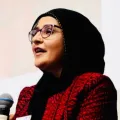
Australian Catholic University
Dr Aniqa Farwa (she/her) holds over 20 years of domestic and international teaching and practice experience. She is the Course Coordinator for the Bachelor of Social Work, Australian Catholic University, Strathfield campus. She is a highly accomplished researcher and passionate about Mental Health, Social Work Ethics, and Decolonising Social Work knowledge, research and practice.
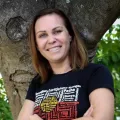
Indigenous Allied Health Australia
Tara Lewis is an Iman woman and the Knowledge Translation Lead at Indigenous Allied Health Australia (IAHA). Her work focuses on ensuring research and practice are led by, governed by, and accountable to Aboriginal and Torres Strait Islander communities. As a speech pathologist, Tara advances language sovereignty by challenging deficit-based assessment practices and re-centering Aboriginal ways of communicating, knowing, and relating. Her work reframes communication assessment as a relational, cultural, and political practice, strengthening accountability to community and resisting colonial norms embedded within health and education systems. Through her leadership, Tara influences workforce practice, professional education, and national curricula to support culturally safe, sovereign, and self-determined approaches to communication and care.
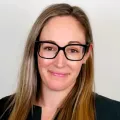
Australian Institute of Family Studies
Kat Goldsworthy is a Research Fellow in the AIFS Evidence and Evaluation Support team, primarily supporting community sector organisations to collect, use and communicate evidence. Kat brings a personal perspective to this webinar, shaped by her lived experience as a woman with invisible disabilities and a carer for her young disabled son. She is passionate about disability rights and inclusion, and believes that being seen, understood and supported, is vital to the wellbeing of all people - disabled and non-disabled alike.
Facilitator

University of Canberra
Dr Amelia Wheeler (she/her) is a white settler living on Ngunnawal Country (Canberra). Amelia is a Senior Lecturer in Social Work at the University of Canberra and also maintains her own consultancy as a reflective practice facilitator / external supervisor for helping professionals. Amelia has worked in the fields of child protection, Out of Home Care, housing and family law and continues to undertake research in these areas. Amelia is an Autistic ADHD-er, a carer, and is passionate about anti-racist practice and disability justice.
18 February 2026, 1:00 pm to 2:00 pm (AEST)
Jessica Russ-Smith, Aniqa Farwa, Tara Lewis, Kat Goldsworthy, Amelia Wheeler
Online