Trust and concerns about the future shape young Australians’ hopes to have children
A new report from the Growing Up in Australia study shows that most young Australians hope to have children. However, their family goals are linked to how much they trust public institutions and their worries about jobs, the global economy and the environment.
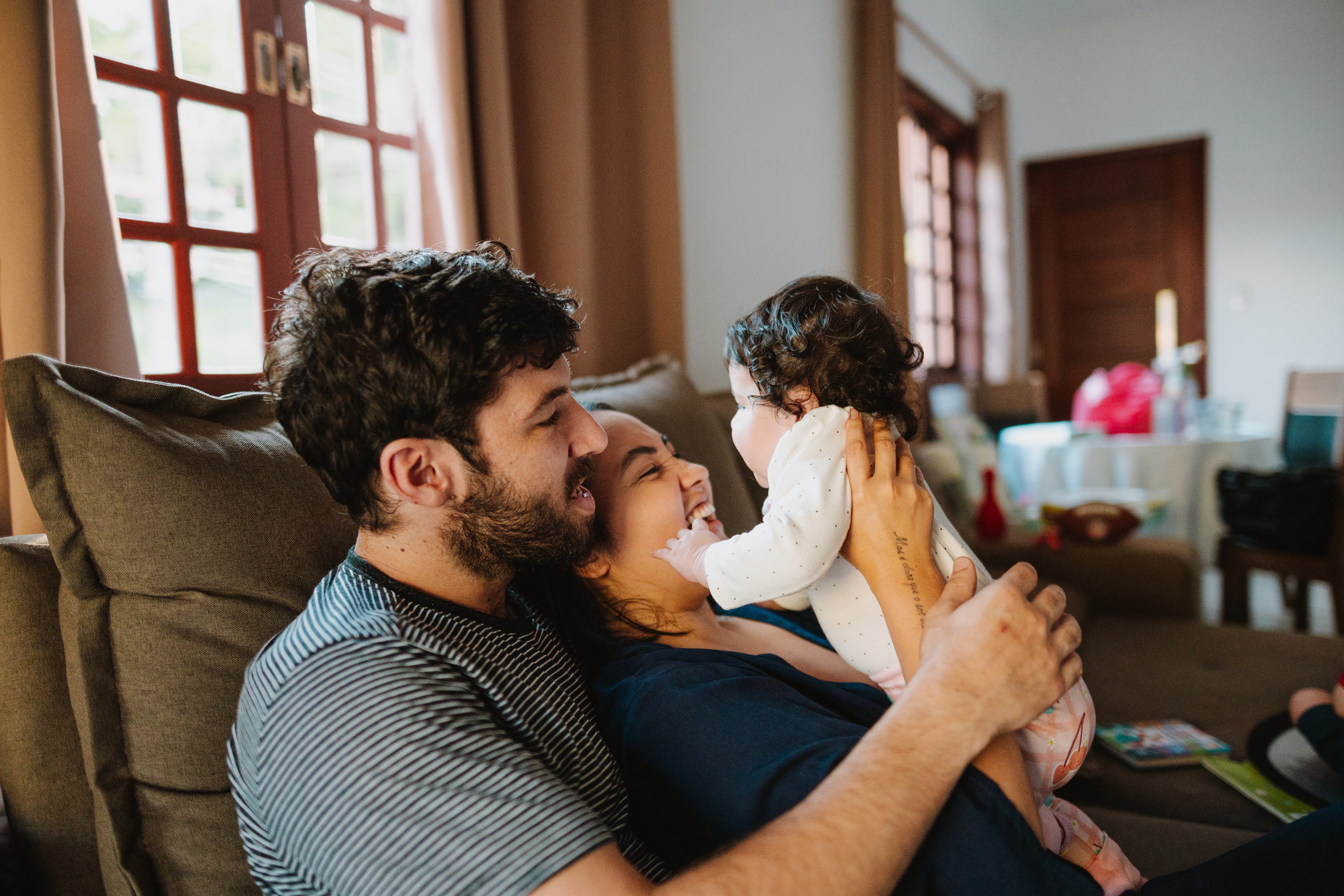
The report, published as part of the Growing Up in Australia Snapshot Series, uses data collected in 2023–24 when participants were aged 19–20 and 23–24 years.
The study found that around 7 in 10 participants (71%) said they hoped to have children at some point in the future. Seventeen per cent said they did not, and 13% said they had not yet considered it.
These findings show that young people are thinking about parenthood in many different and equally valid ways.
Why trust matters
The report highlighted young adults who had higher trust in Australian public institutions were more likely to hope to have children. Among participants with the highest levels of institutional trust, 79% hoped to have children, compared to 59% of those with the lowest trust.
Institutions included:
- hospitals
- education systems
- legal systems
- welfare systems
- police.
Trust varied across these, with 43% of participants saying they had a high level of trust in Australian hospitals, compared to 9% for the social welfare system.
Trans and gender diverse young people were less likely to hope to have children. They also had lower trust in public institutions. This may reflect experiences of exclusion and discrimination from institutions that have not always recognised or supported them.
Dr Kristen Power, who led the research at the Australian Institute of Family Studies, said the findings suggest that young Australians’ goals to start a family are tied to feelings of security and confidence in society.
'Understanding how much trust young Australians have in institutions gives us insight into how supported and hopeful they feel about the world they would be raising children in,' Dr Power said.
'Building trust – particularly in services young people may rely on during key life transitions – may help young people to feel secure and optimistic about planning for a family.'
The report suggests that trust can be improved by
- reducing financial stress
- improving transparency
- addressing systemic discrimination
- giving young people a say about the services that affect them.
Thinking about family in a changing world
Many young Australians are also thinking carefully about the kind of world they may be raising children in. Almost 2 in 3 participants (65%) said they were at least somewhat concerned about the environment.
Among the participants with the highest levels of environmental concern, 67% said they hope to have children, compared to 75% of those with the lowest concern.
Previous research suggests that people who are very worried about the environment may be less likely to have children because of concerns about bringing children into an uncertain future, or because of the environmental impact of additional children.
Even so, this study indicates that nearly 70% of young Australians with the highest environmental concern still hope to have children. This suggests that for many young people, concern and hope can exist at the same time.
Forming a family in uncertain economic times
Economic concerns were common, but did not always shape their hopes to have children.
Most participants (85%) were concerned about housing affordability. However, these were not clearly linked to plans for family formation. Instead, the high prevalence of concern highlights the importance of improving access to affordable and secure housing as part of a wider approach to support young people’s confidence about the future.
The research found that many (69%) were also concerned about global economic problems. Among those most concerned, 19% did not hope to have children, compared with 12% of those least concerned.
Worries about jobs showed a similar pattern, with 60% of young Australians at least somewhat concerned about finding a job in their chosen field. Those with the highest concern were more likely not to hope to have children than those with the lowest concern (19% vs 12%).
Even so, most young people – despite these worries – still hoped to have children. This suggests that economic uncertainty may shape, rather than change, their family goals.
Supporting young people’s hopes for the future
Overall, the findings highlight the complexities young people face when thinking about their hopes for children and the importance of creating conditions that help them plan the futures they want.
'Most young people in this study hoped to have children one day, but their views were shaped by how secure and confident they felt about the future,' Dr Power said.
'Supporting young Australians’ family goals is about more than financial support. Feelings of trust, inclusion and confidence in the future matter too.'
'The research also points to the need for inclusive pathways to parenthood, and systems that help all young people feel seen, safe and supported.'
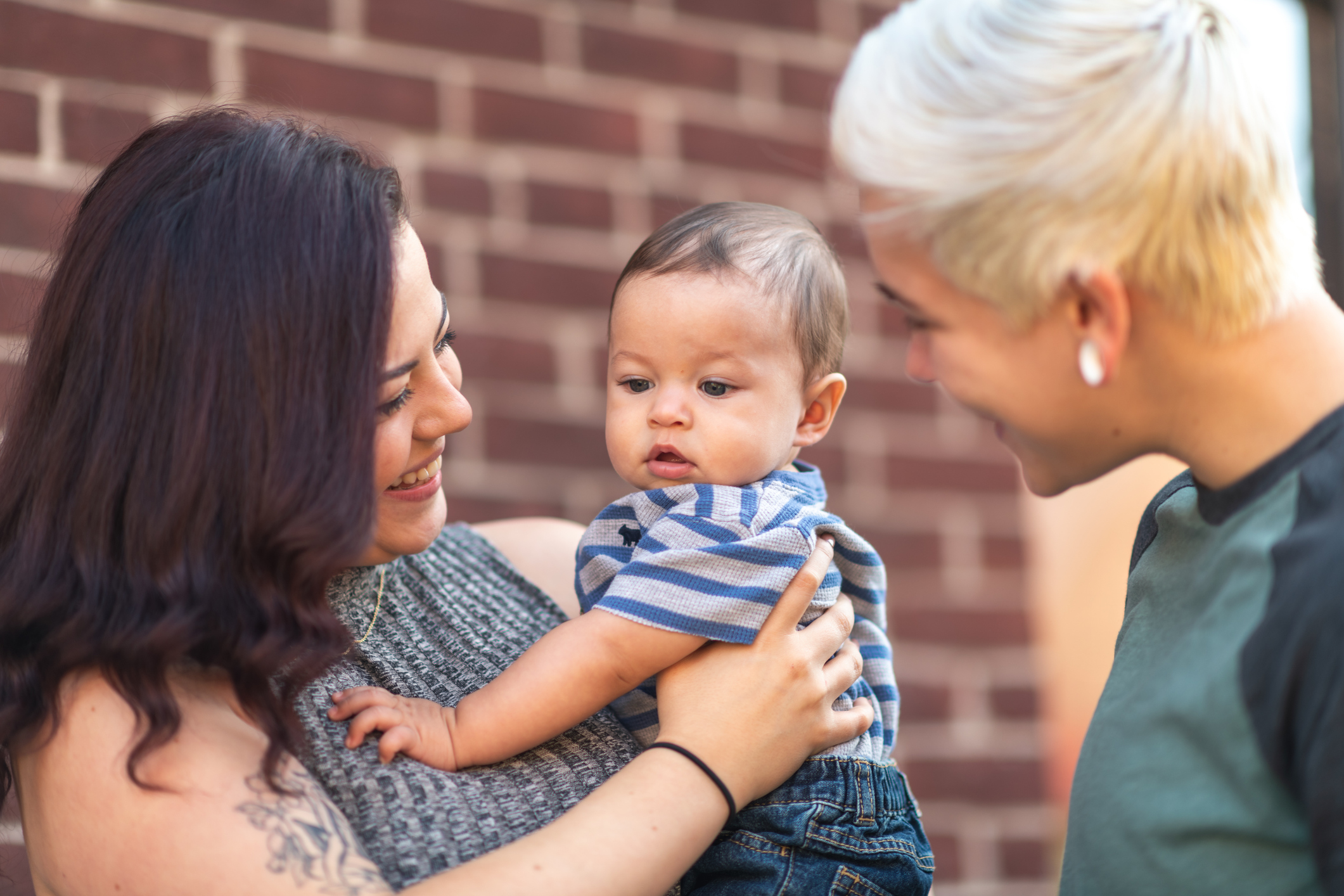
Thanks to the ongoing contributions of participants in the Growing Up in Australia study, this research is helping build a clearer picture of how young Australians are thinking about family formation and the future.
You can read the full research report on the Growing Up in Australia website: Young Australians’ concerns and trust are related to their family formation goals