Understanding the civic lives of young Australians
New findings from Growing Up in Australia suggest many young Australians are engaging with issues that matter to them and taking part in their communities but not always in traditional or formal ways.
Using data from 4,407 young people aged 19–20 and 23–24, collected in 2023–24, the report provides a picture of how young Australians participate in political, social and community life.
The findings show that many are concerned about the social, economic and environmental issues shaping their future and are taking action to address them.
While few young people report regular involvement with political parties, many are participating through digital and community activities.

The report found that:
- Formal political participation remains important.
Around 9 in 10 young people reported voting in the 2022 federal election, while around 1% reported regular involvement with a political party. - Many young people are choosing more informal ways to have a say on issues that matter to them.
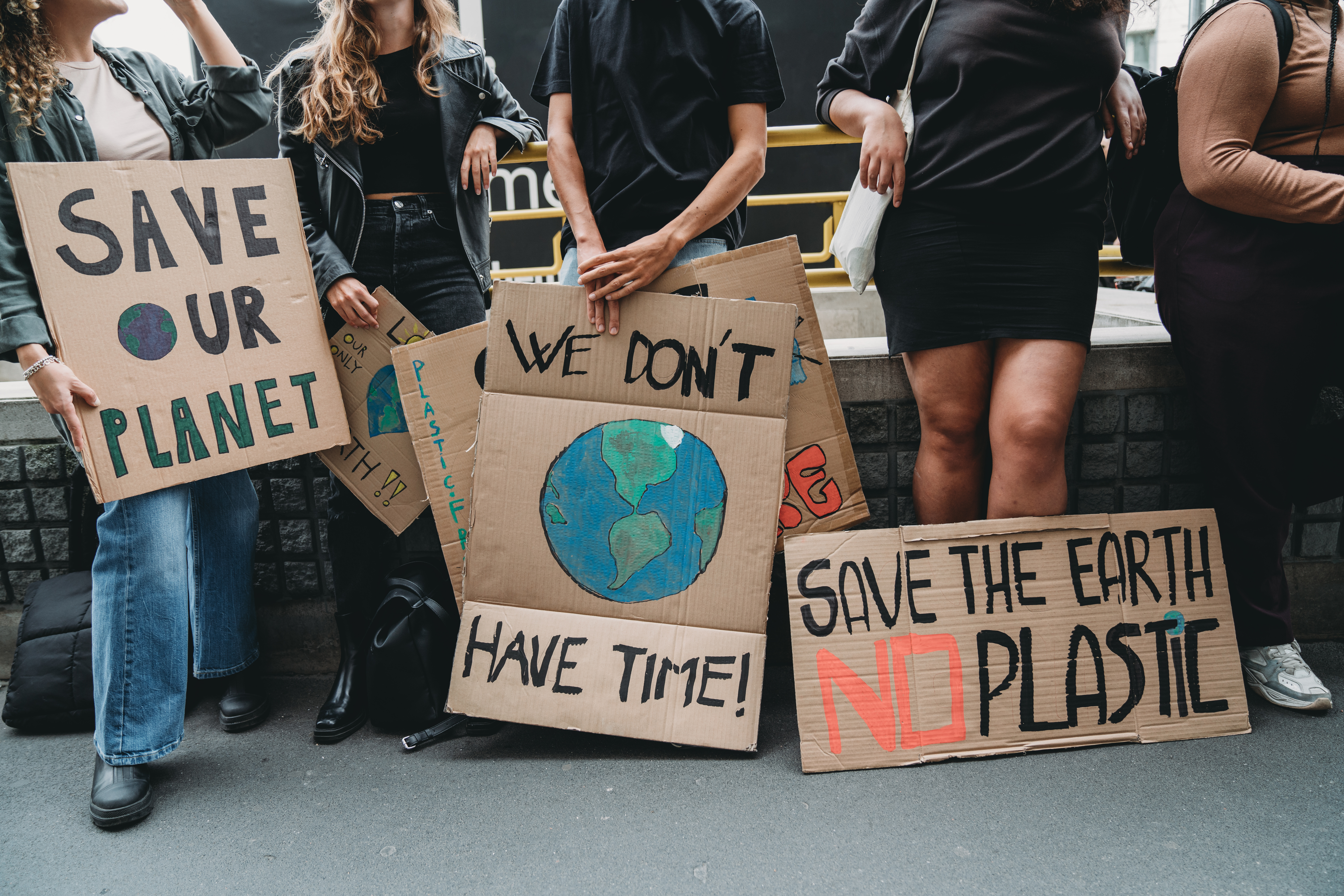
41% of young people reported expressing their views about government actions, many by signing online petitions (82%), signing written petitions (36%) and taking part in protests (31%). - Social media is an important pathway for young people’s civic engagement.
37% reported they had engaged with political or social issues online using social media. - Young people engage with their communities through volunteering.
34% reported volunteering in the past 12 months, many on a regular basis. - Many young people do not feel confident understanding or influencing politics.
38% said politics often seems too complicated to understand and only 11% felt Australia’s political system allows people like them a meaningful say in what government does. - Young people have varying levels of trust in institutions.
They reported higher trust in health, science and education institutions, including 86% reporting trust in hospitals, but much lower trust in traditional news media (18%), news from social media (15%) and political parties (15%).

Dr Ebony Biden, lead author of the report from the Australian Institute of Family Studies, said the findings challenge common concerns about youth disengagement:
Young people have often been described as disengaged from civic life but these findings show many are actively involved in ways that aren’t always expressed through what might be seen as traditional pathways. Understanding how people, across all ages and diverse groups, engage with political and social issues is critical to building a society that remains inclusive and responsive.
Overall, the findings suggest young Australians care about civic and political issues, and that they engage in increasingly diverse, digital and informal ways.
Recognising the different ways young people participate helps us understand how they contribute to their communities and have their voices heard on issues that matter to them.
To read the full report: Spotlight – Young Australians' civic engagement