Positive relationships with parents, peers and schools may help reduce suicide risk for young Australians
Content warning: This article talks about suicide and suicidal thoughts and behaviours.
If this topic raises concerns for you, support is available.
A sense of school belonging and positive relationships with parents and peers may help reduce suicide risk for young Australians, a new report by the Growing Up in Australia study has found.
The report, released as part of Growing Up in Australia’s Snapshot Series, examines suicidal thoughts and behaviours during adolescence and early adulthood.
Importantly, the report highlights the everyday supports and connections that may help protect young people as they move from their teenage years into adulthood.
The findings show that relationships and connection matter. Young people who felt more connected to their parents, friends and school in their mid-teens were less likely to report suicidal thoughts and behaviours a few years later.
The importance of school belonging
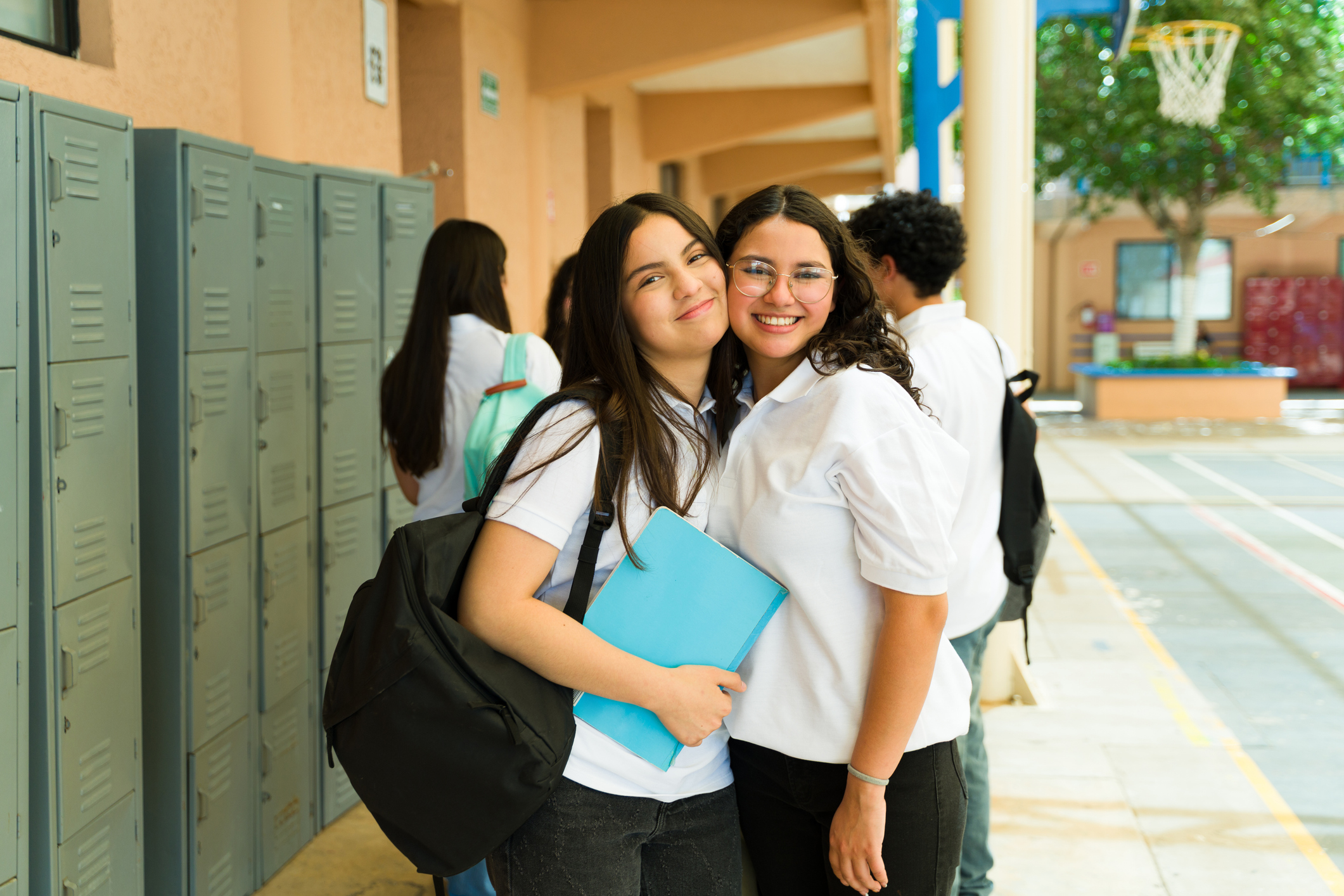
A strong sense of belonging at school emerged as particularly important. Young people with a high sense of school belonging at ages 16–17 were around 10% less likely to report suicidal thoughts and behaviours at ages 18–19.
The report also found that staying engaged in school may be especially important for young people who are already having a hard time. Among young people who had previously experienced suicidal thoughts or behaviours, those with high school participation at ages 16–17 were around 18% less likely to report suicidal thoughts and behaviours at ages 18–19.

What about family and friends?
Supportive family relationships were found to be very important too. Young people who reported strong trust and communication with parents were 4% less likely to experience later suicidal thoughts and behaviours, and those with higher parental involvement also showed lower levels of later distress. The research also suggests that good communication with friends can play a protective role (i.e., reduce likelihood of suicidal thoughts in later years), especially for young people who had already experienced suicidal distress earlier in adolescence.

Strengthening supports for young Australians
These findings are important because they show that young people’s wellbeing is shaped not only by their own characteristics and circumstances but also by the relationships and environments around them every day. Schools, families and peer networks all play an important role, and support in these settings can make a real difference.
Research Fellow at AIFS, Dr Neha Swami, said the research shows how suicide prevention policies and strategies need to take a layered approach.

“Support needs to work on several levels: making schools a place where young people feel safe, included and connected; providing extra support for those already experiencing distress; and strengthening family relationships early before problems become more serious,” Dr Swami said.
“Findings suggest that young people may be best supported when education, health and family services work together to provide integrated help.”
She said because the Growing Up in Australia study follows the same people over time, it is especially well placed to show how experiences people have in adolescence are linked to their later outcomes in young adulthood.
“The long-term view provided by Growing Up in Australia helps build evidence that can improve policies, programs and supports for children and young people across Australia,” Dr Swami said.
“Thanks to the participation and commitment of our study participants, we are able to create knowledge that can lead to better support for young people now and in the future.”
Read the full report: Parent, peer and school connections may help reduce suicide risk for young Australians
Read the media release: Feeling a sense of belonging at school linked to lower suicide risk for young adults
22 April 2026